By
By 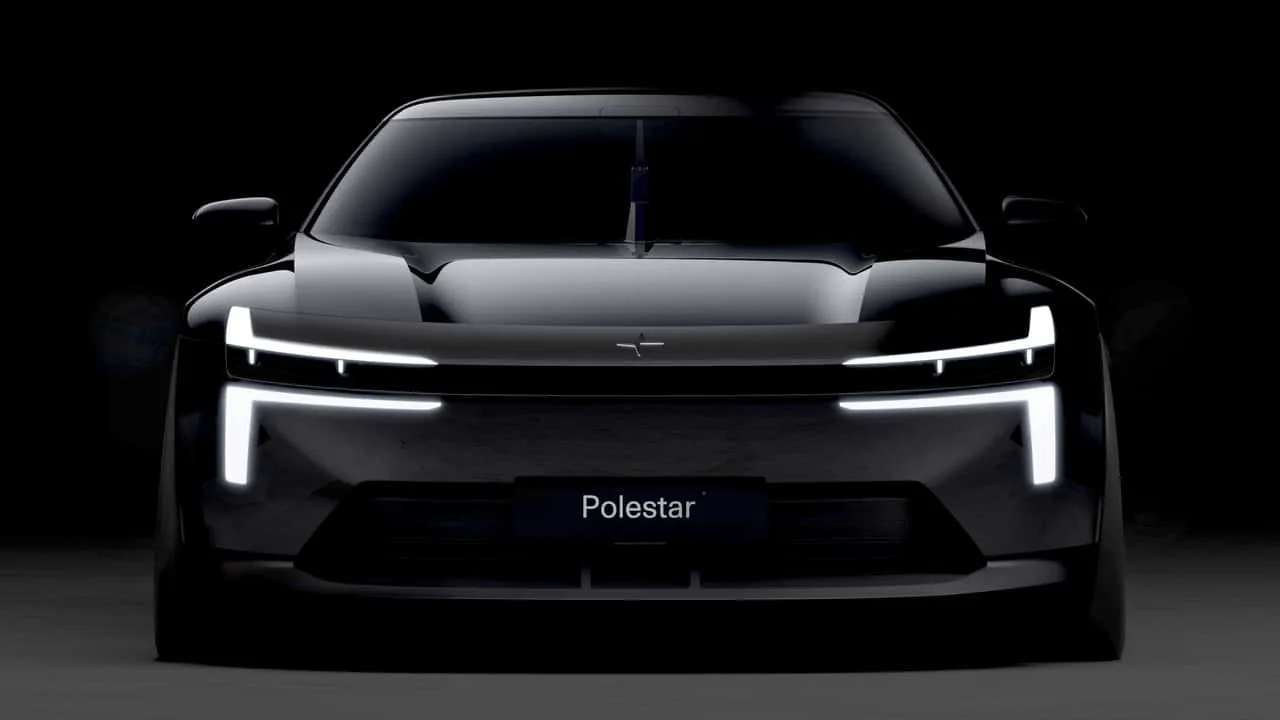
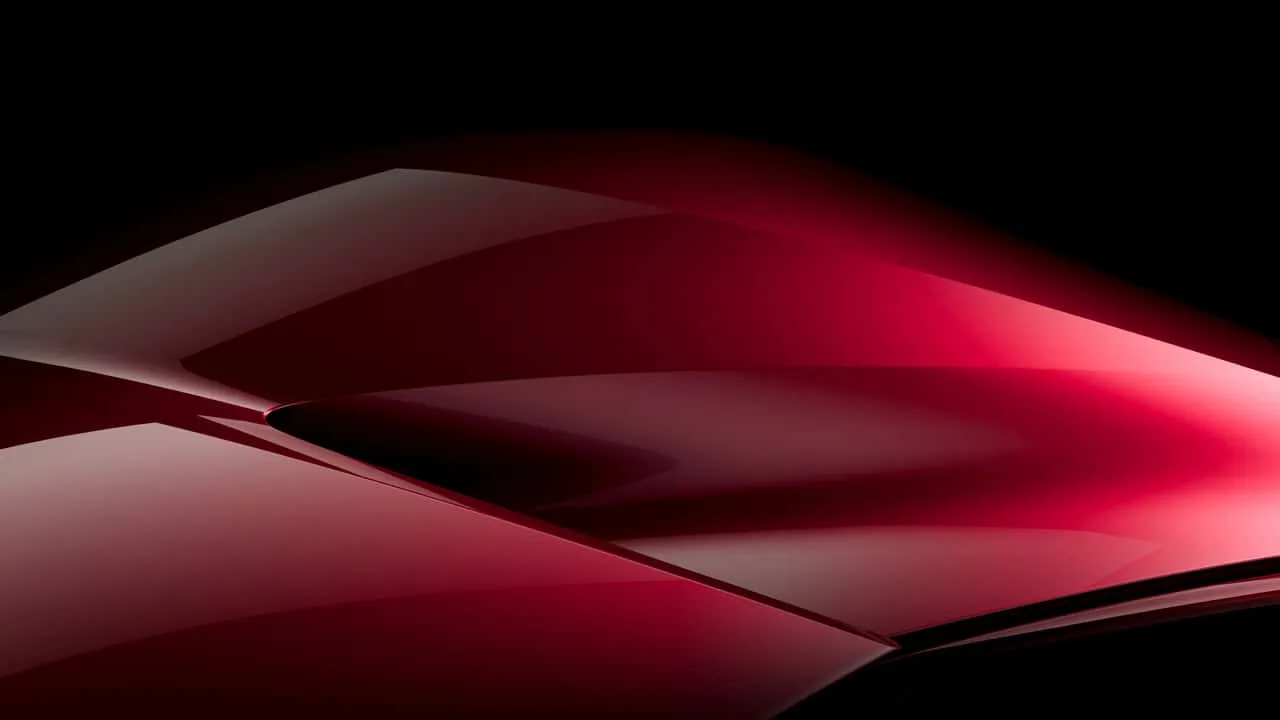
Polestar will reveal its Formula 2030 concept in October, previewing a new design language that aims to make the Swedish electric-car brand look bolder without becoming intimidating. The concept is the first ground-up Polestar design led by chief designer Philipp Römers, who joined the company in January 2025.
Polestar says the study will establish styling cues for the next-generation Polestar 2, due in 2027, and the Polestar 7 compact SUV, expected in 2028. A private preview is planned in Gothenburg before the public debut, although the early version shown to enthusiasts may still be a teaser rather than the completed concept.
A bold but approachable design direction
Römers has set a straightforward brief for the team: Polestar’s cars should be attractive without scaring potential buyers. He describes the direction as ambitious, but not aggressive, positioning the brand against the increasingly sharp and confrontational styling used by some rival EV makers.
Formula 2030 will retain several recognizable Polestar traits. The concept has a low, wide stance with cambered front wheels, a proportion the brand has used on earlier concepts. It also keeps Polestar’s blade-style daytime running lights instead of introducing an entirely new lighting signature.
That continuity is important as Polestar prepares to apply one design language across different body styles. The upcoming Polestar 2 sedan and Polestar 7 compact SUV will need to look related without simply repeating the same shape.
What changes from today’s Polestar models?
The current Polestar 4 and its SUV sibling use pointed dual-blade headlights and a trapezoidal grille opening. Those elements closely link the coupe-like model with its wagon-style SUV counterpart.
Formula 2030 suggests Polestar intends to preserve the blade lighting in its next design phase while refreshing the proportions and surface treatment around it. The approach is an evolution rather than a complete break, allowing future models to remain identifiable while presenting a less severe visual character.
The concept will also explore new materials and sustainability ideas connected with the design transition. Polestar has not disclosed production specifications or confirmed how much of the study will appear unchanged on future showroom models.
Why the design matters for Polestar
The styling shift arrives as Polestar works toward a larger sales footprint. The company is targeting 100,000 annual sales, compared with 60,000 in 2025. A premium appearance that feels more approachable could help the brand reach buyers who are also considering established premium manufacturers such as BMW and Mercedes-AMG.
The production version of the next Polestar 2 will be the clearest test of the new direction. If it carries over the Formula 2030 concept’s familiar blade lights and softer overall treatment, Polestar could create a consistent visual identity for both sedans and SUVs without abandoning the design cues that distinguish its current cars.