By
By 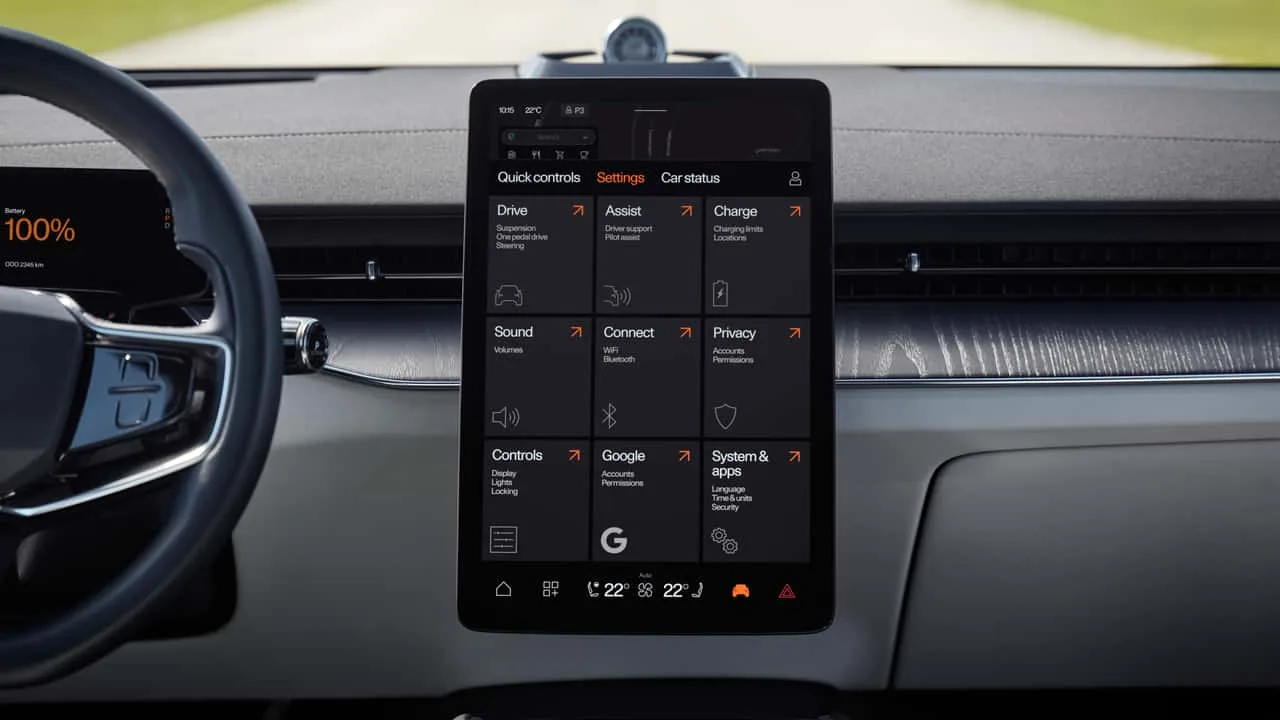
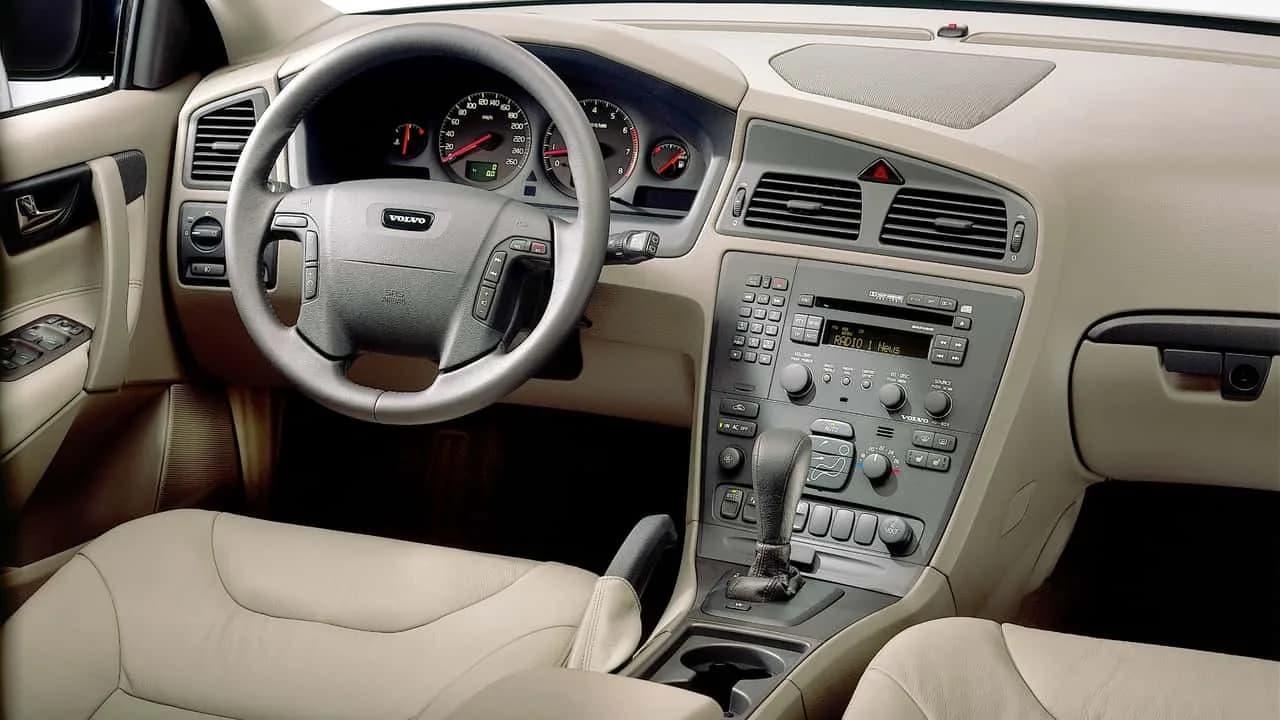
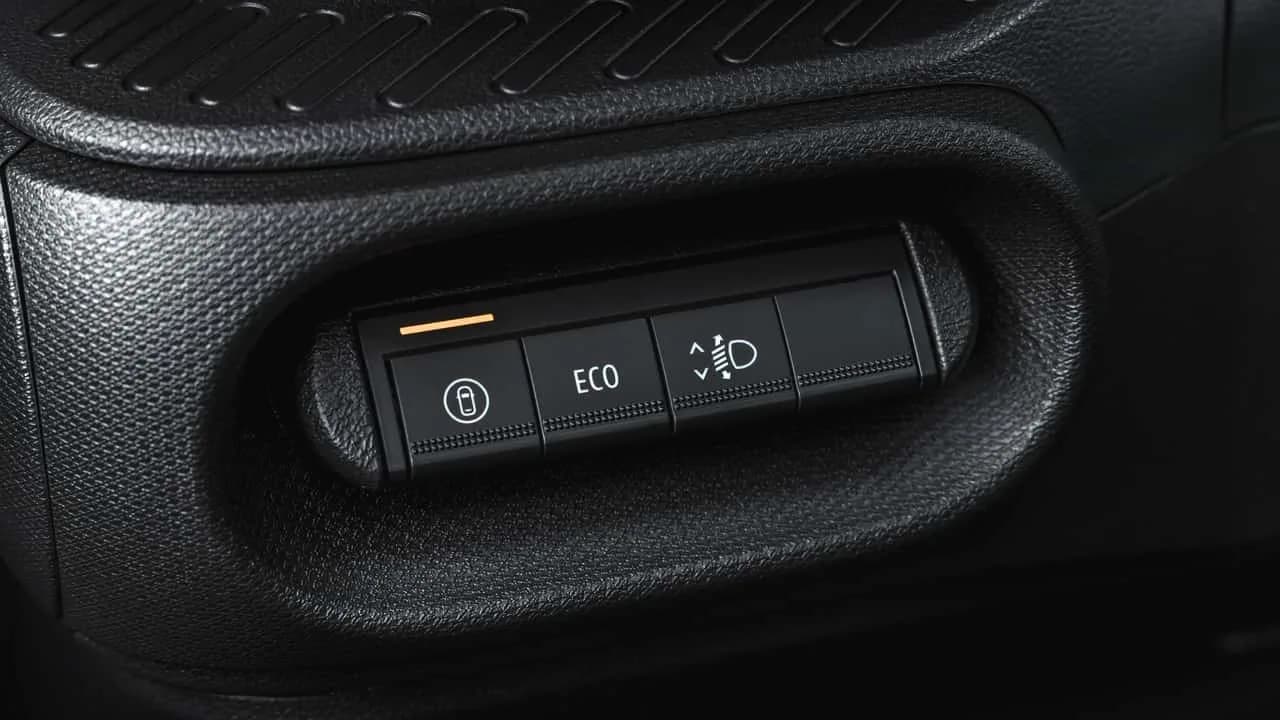
Polestar is preparing to bring more physical controls back to its vehicles, with the refreshed Polestar 3 reportedly set to lead the change next year. CEO Michael Lohscheller says direct customer feedback is driving the Swedish electric-car brand away from its nearly button-free interior strategy.
“Customers are very outspoken about tactile controls,” Lohscheller told Autocar. “They say, ‘We want more buttons.’ It’s that simple. And yes, we will do buttons.”
Polestar 3 will get the first update
The Polestar 3 will reportedly be the first model to receive the revised approach. Polestar plans to replace some of the current touch-sensitive controls on the steering wheel with clearer, more tactile buttons.
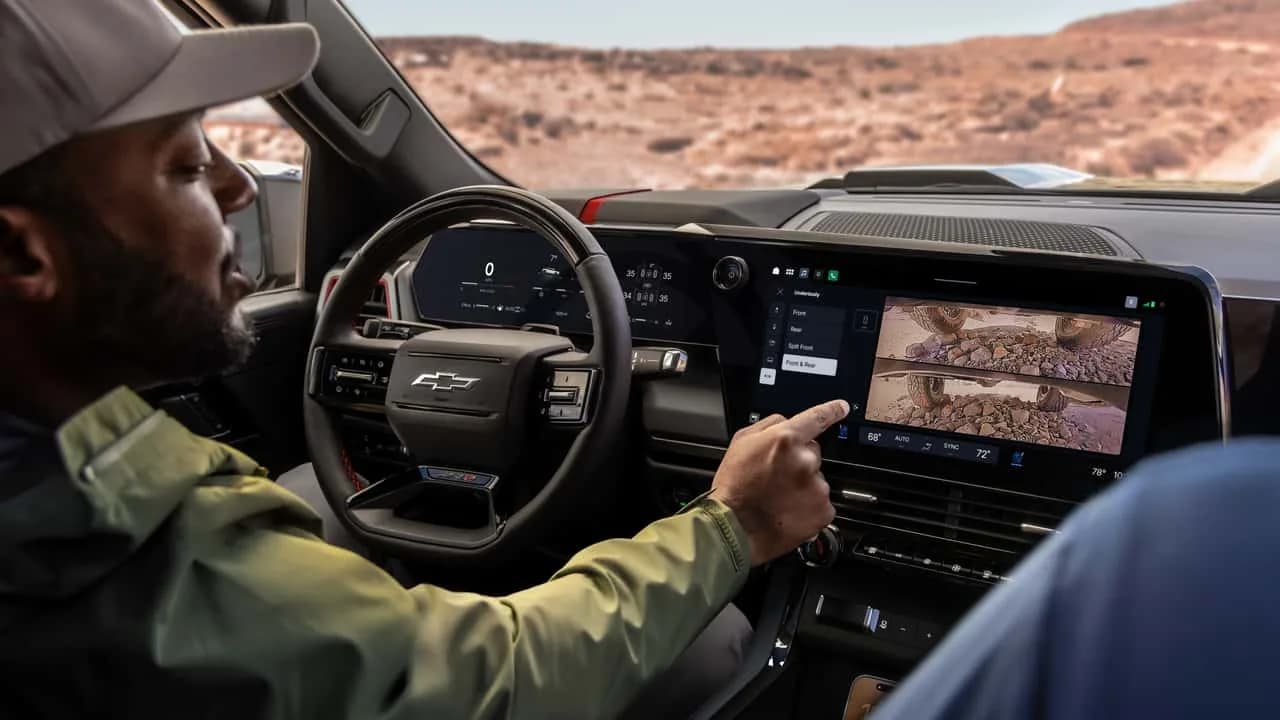
The company launched with a deliberately minimal cabin layout in which most functions are managed through the center touchscreen. The volume control is one notable exception. That strategy is now being reconsidered as buyers push for controls that provide physical feedback while driving.
Future Polestar models are expected to adopt the same direction. The move also follows earlier comments from Polestar design chief Philipp Römers, who said upcoming vehicles would feature more physical knobs and buttons.
Safety rules also favor physical controls
Customer preference is not the only factor changing the industry’s approach to touchscreens. Updated safety requirements in Europe and China are also encouraging automakers to use dedicated controls for important functions.
Under updated European New Car Assessment Programme requirements, vehicles need physical controls for turn signals, windshield wipers, hazard lights, the horn and emergency calling to qualify for a five-star safety rating.
China’s Ministry of Industry and Information Technology is introducing similar requirements for essential safety features. Because Polestar sells vehicles in both Europe and China, those rules could have a direct effect on the brand’s interior designs.
What the change means for Polestar buyers
The Polestar 3 update will not represent a complete rejection of touchscreen technology. Instead, the reported changes point to a more mixed control layout, with touch interfaces continuing to handle digital functions while frequently used or safety-related features gain more tactile operation.
Polestar has not specified how many controls will change, whether the revised steering-wheel design will be offered as a retrofit for existing vehicles, or whether other interior areas will receive physical switches. For now, the company has confirmed the direction: more buttons are coming, beginning with the Polestar 3 next year.