By
By 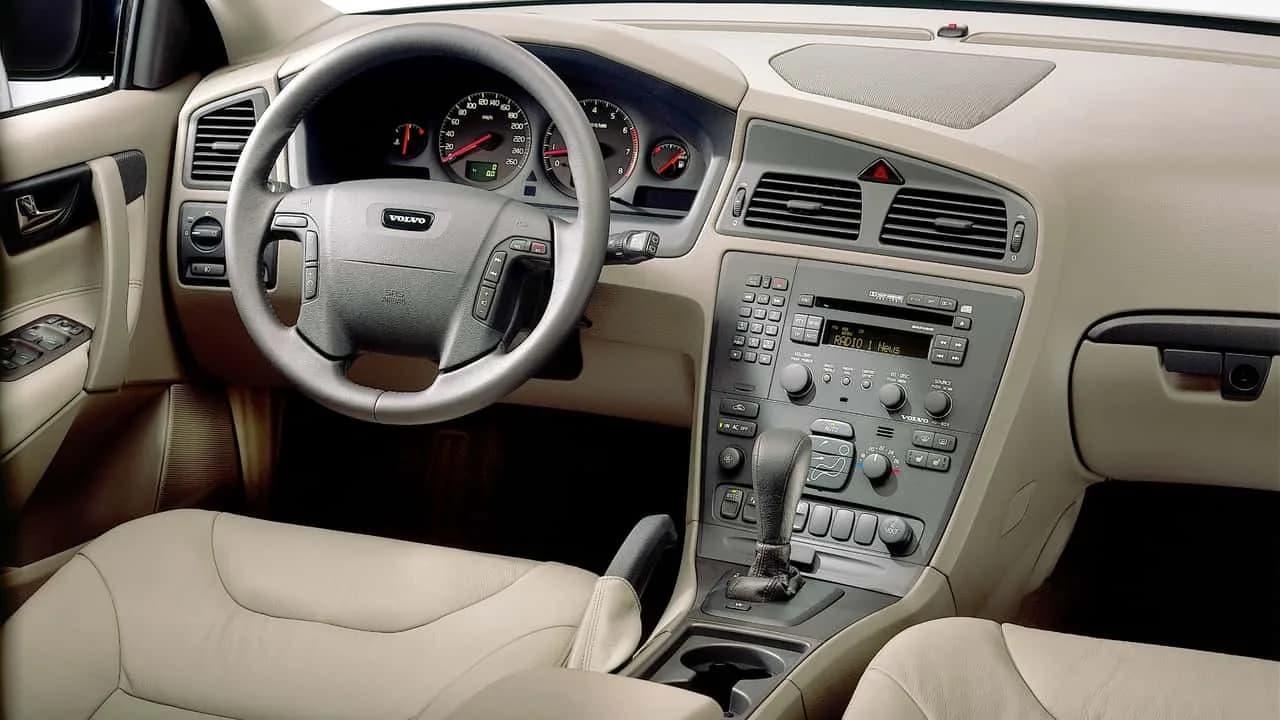
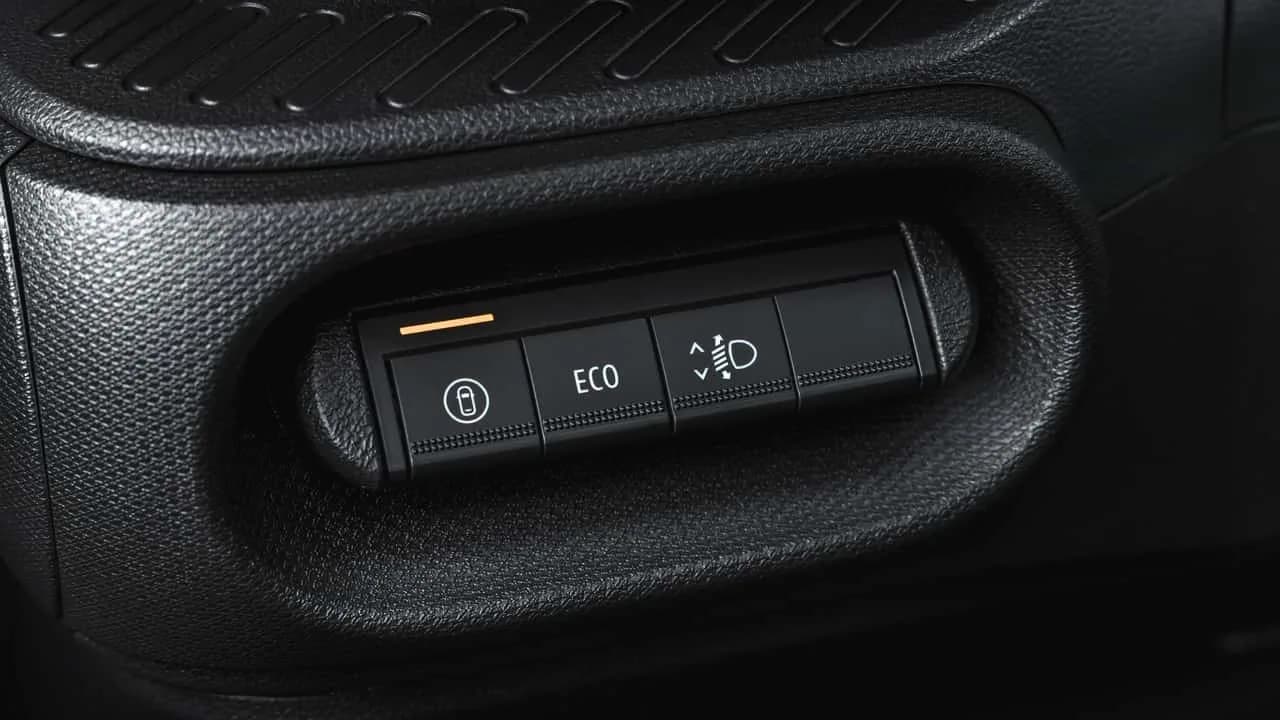
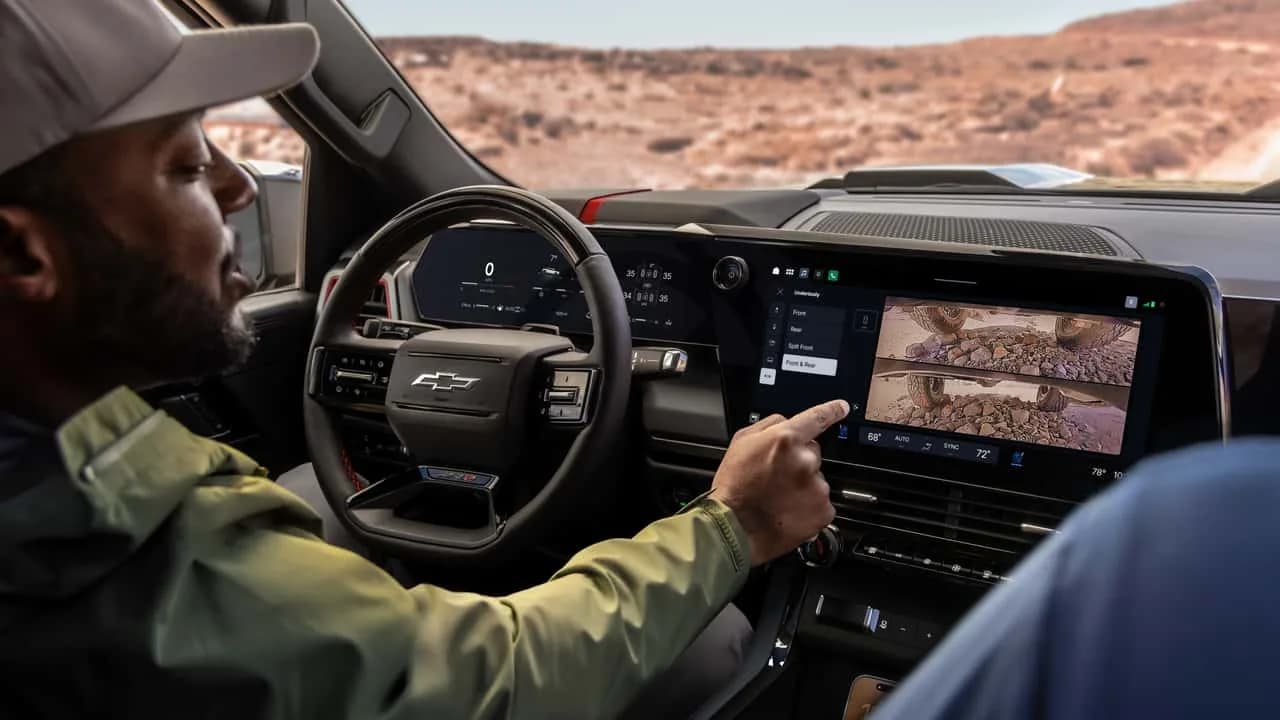
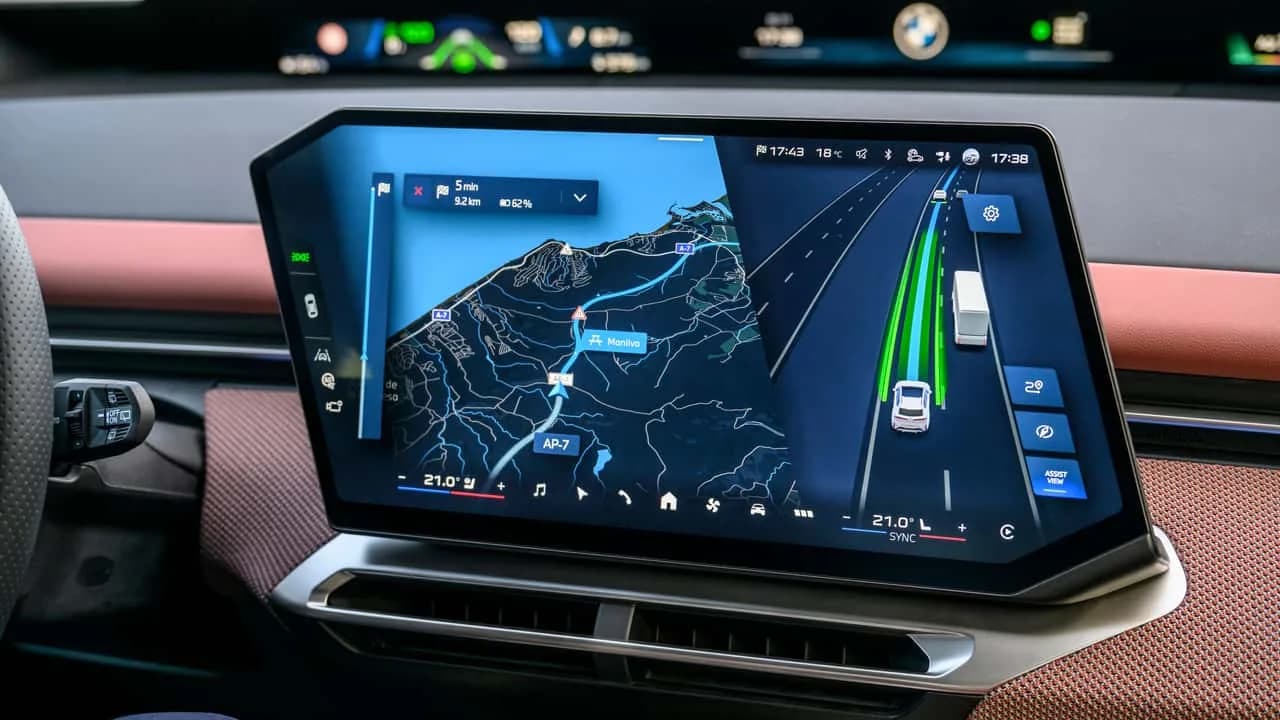
Volvo plans to bring selected physical controls back to its future cars after customers and journalists criticized the brand’s touchscreen-heavy interiors. Design boss Thomas Ingenlath said the company wants to give each type of control a more appropriate interface rather than forcing every function onto a display.
The change is part of a broader rethink at Volvo. The company is preparing a major lineup expansion, with 13 new models planned globally by the end of 2030. Volvo also says the future range will not consist entirely of SUVs.
Physical controls will return selectively
Speaking during the question-and-answer session after Volvo’s Strategy Update 2026, Ingenlath acknowledged that the lack of physical controls is an area the automaker needs to address. He made clear that Volvo is not abandoning touchscreens, but said the technology should be used for tasks it handles well.
That means frequently displayed functions may no longer need to occupy the touchscreen. Volvo intends to reintroduce “a couple of more buttons” than it currently offers, while avoiding a return to the rows of switches found in older vehicles such as the 2005 XC90.
The planned approach could involve different types of tactile controls, including rotary interfaces and switches with distinct shapes. Ingenlath compared the desired experience with a classic Leica camera, where the appeal comes not only from physical operation but also from the feel, materials, sound and deliberate design of each control.
Volvo’s stated goal is to make physical interaction feel integrated and premium rather than adding a handful of shortcut buttons beneath a large screen. The display will remain central to the cabin, but not every function will be expected to work through it.
Volvo previews a broader design reset
The interior strategy is only one part of Volvo’s planned transformation. Ingenlath also indicated that the company wants its vehicles to become more recognizable again, including a fresh interpretation of the familiar Volvo front end.
Potential changes could extend to the brand’s iron mark and the grille surrounding it, although Volvo has not detailed the production designs. A new concept scheduled to debut in 2027, the year Volvo celebrates its centenary, will preview the direction of the Geely-owned brand.
13 new models planned by 2030
Volvo’s 13-model plan gives the design changes a wider context. The company is preparing a global lineup overhaul through the end of 2030, and its statement that not every new vehicle will be an SUV leaves room for additional body styles.
Specific models, powertrains, prices and launch markets were not identified. For now, Volvo’s clearest message is that future cabins will balance digital functionality with more tactile interaction, while the 2027 concept will provide the first major look at the brand’s next design era.