By
By 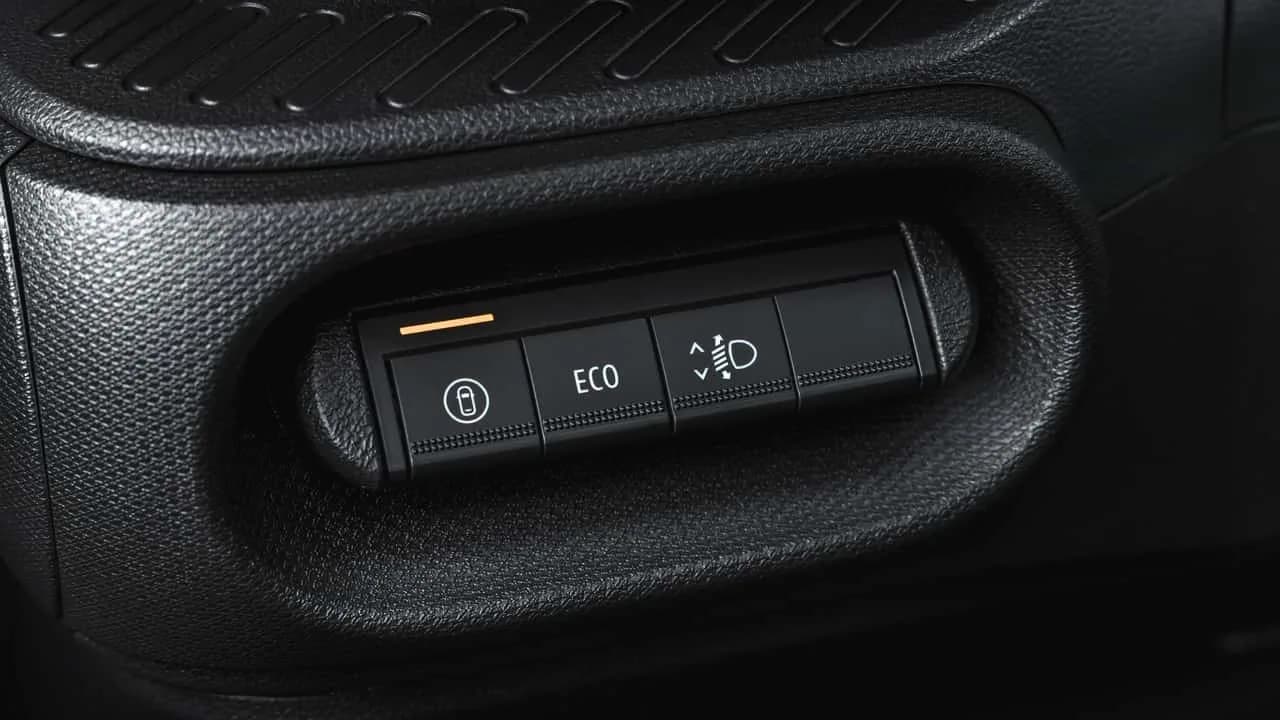
Dacia CEO Katrin Adt says the most-used button in the company’s cars is not a drive-mode selector or infotainment shortcut. It is the physical My Safety switch, which lets drivers quickly return to their preferred settings for certain driver-assistance systems and silence their audible warnings.
Adt’s comments, made to Autocar, highlight the tension between increasingly complex safety regulations and Dacia’s mission to build relatively inexpensive cars. The Renault-owned automaker says its customers regularly reach for the button to quiet ADAS beeps and alerts, although the system does not disable fundamental safety equipment.
What Dacia’s My Safety button does
Dacia introduced My Safety to provide a straightforward way to manage configurable driver-assistance features while driving. The physical control can deactivate certain assistance functions and restore the driver’s preferred configuration without requiring a deep trip through the infotainment system.
It is not a master switch for a vehicle’s core safety systems. Dacia says the button does not turn off airbags, anti-lock brakes or electronic stability control. Instead, it addresses selectable driver-assistance features and their associated warnings, which can include repeated audible alerts.
“The most used button in our cars is the so-called magic button, where you can turn off all the [ADAS] beeps,” Adt told Autocar. The statement suggests that, for many owners, the fastest way to personalize the car is to reduce how often it speaks up.
EU regulations add pressure to affordable cars
Dacia says it has already dealt with around 100 regulations and expects another 107 to take effect by 2030. According to Adt, roughly a quarter of the company’s research and development budget goes toward meeting increasingly complex regulatory requirements in Europe.
Those requirements can add costs beyond the hardware itself. Sensors, cameras, software, calibration and compliance testing all contribute to the expense of developing and selling a vehicle. That pressure is especially significant for Dacia because its business depends on keeping transportation relatively affordable.
The automaker’s position is not that driver-assistance technology should disappear. Instead, Adt argues that regulators should consider whether every new requirement is appropriate for small, low-cost vehicles, particularly when implementation results in drivers frequently switching off related warnings.
Dacia wants a small-car regulatory freeze
Dacia has joined other automakers in asking the European Commission for at least a temporary regulatory freeze for small cars. The proposed breathing room would give manufacturers more time to control costs rather than adding new mandatory features and development work continuously.
The My Safety button does not prove that drivers reject ADAS. It does, however, reveal a usability issue: if a vehicle’s most frequently used control exists mainly to silence mandated alerts, automakers and regulators may need to examine how those systems are introduced and tuned.
For Dacia, the broader debate is directly tied to its product strategy. The company wants to preserve simple, accessible cars while meeting safety rules, and its CEO says the current pace of regulation is making that balance harder to maintain.