By
By 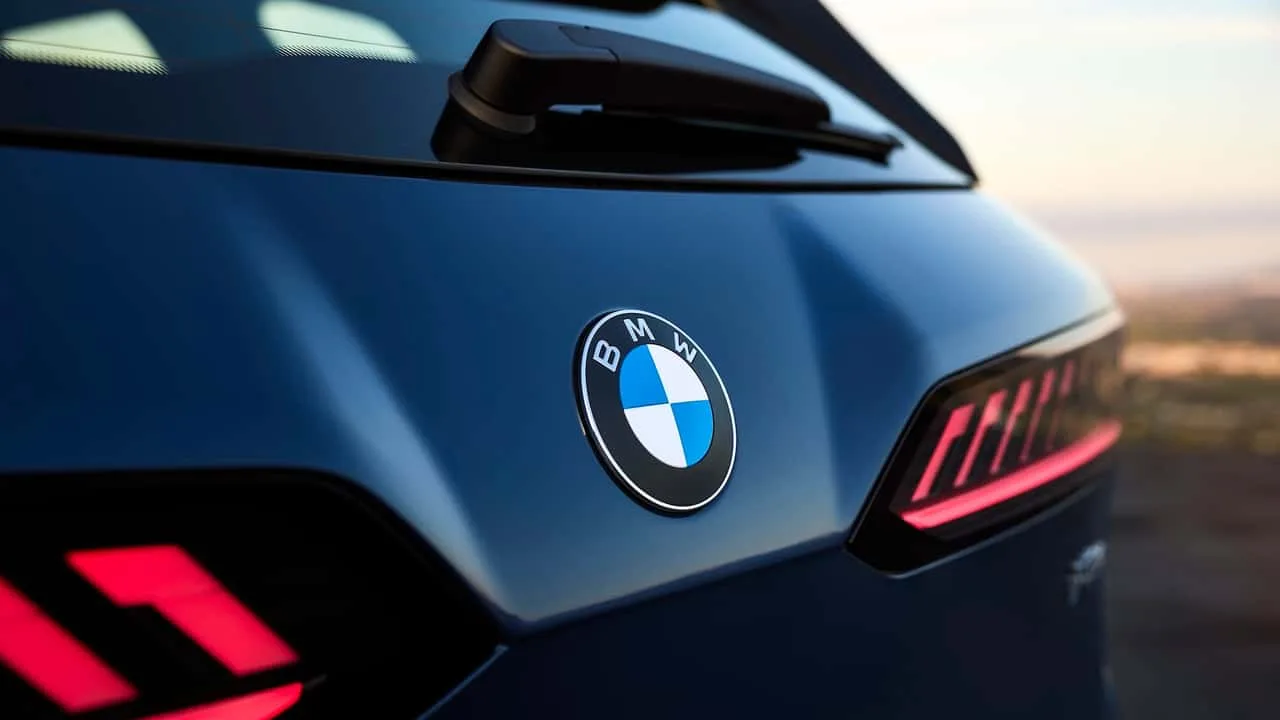
BMW plans to bring the iX3's Neue Klasse technology to its entire model range over the next 24 months. The automaker has more than 40 new or facelifted vehicles scheduled, and Mike Reichelt, head of Neue Klasse, told Autocar that the platform's advances are too significant to limit to new electric vehicles.
“With the Neue Klasse, we've made so much progress it's like we skipped a model generation, so we have to do it across the range,” Reichelt said.
What BMW will change
The rollout will not replace the body structures of existing BMW models. Instead, the company intends to add what it considers the most important parts of the Neue Klasse package, including its new design language, Panoramic iDrive interface, advanced driver-assistance systems and broader digital capabilities.
BMW also plans to apply the architecture's enhanced cybersecurity, improved over-the-air update capability and artificial-intelligence features throughout the portfolio. That means future updates to combustion-powered, hybrid and electric models could share a more consistent software experience, even when the vehicles use different underlying platforms.
Reichelt did not provide a specific start date for the wider rollout. However, BMW's plan for more than 40 launches in 24 months points to roughly one new or refreshed model every month and a half.
Neue Klasse software and computing
The iX3 is BMW's first software-defined vehicle, according to the automaker's description of the new architecture. It uses four high-performance computers, or “superbrains,” to consolidate functions that previously required a much larger number of control units.
One of those computers manages the electric vehicle's dynamics through a system BMW calls the Heart of Joy. It brings together the drivetrain, braking, energy recuperation and steering functions, with 10 times the processing speed of the previous technology. A second superbrain handles driver assistance, while the remaining computers oversee infotainment and comfort functions.
BMW says the new digital architecture reduces weight by 30 percent compared with its previous technology and eliminates 2,000 feet of wiring. Those changes are intended to simplify vehicle electronics while giving BMW more control over how its cars operate and how they can improve after delivery.
Physical controls remain
Although the Neue Klasse signals a major change in BMW's software and cabin design, the company does not appear ready to eliminate every traditional control. Before finalizing the iX3, BMW studied user data and found that customers particularly valued a conventional volume knob.
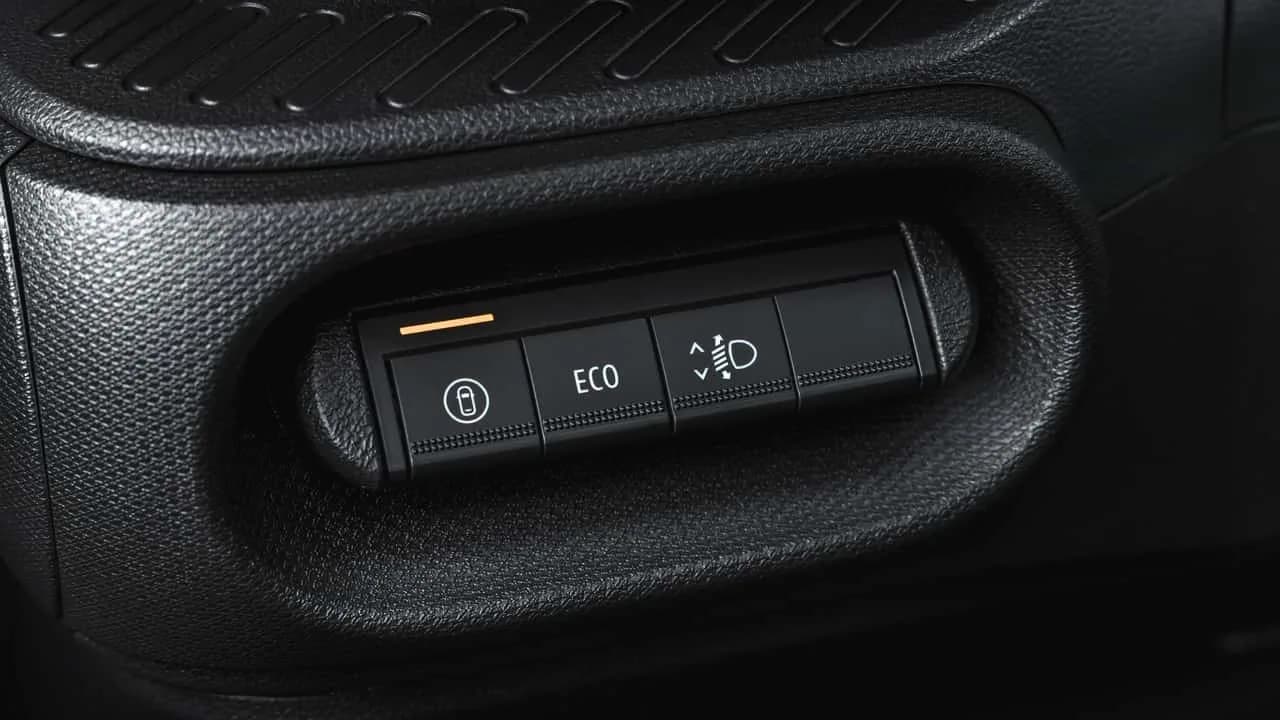
As a result, the new crossover retains that physical control. Other future BMW models are likely to carry over at least some familiar buttons and switches alongside the Panoramic iDrive system. For buyers, the biggest change may therefore be less about a single new interface and more about a common digital foundation spreading across nearly the entire lineup.