By
By 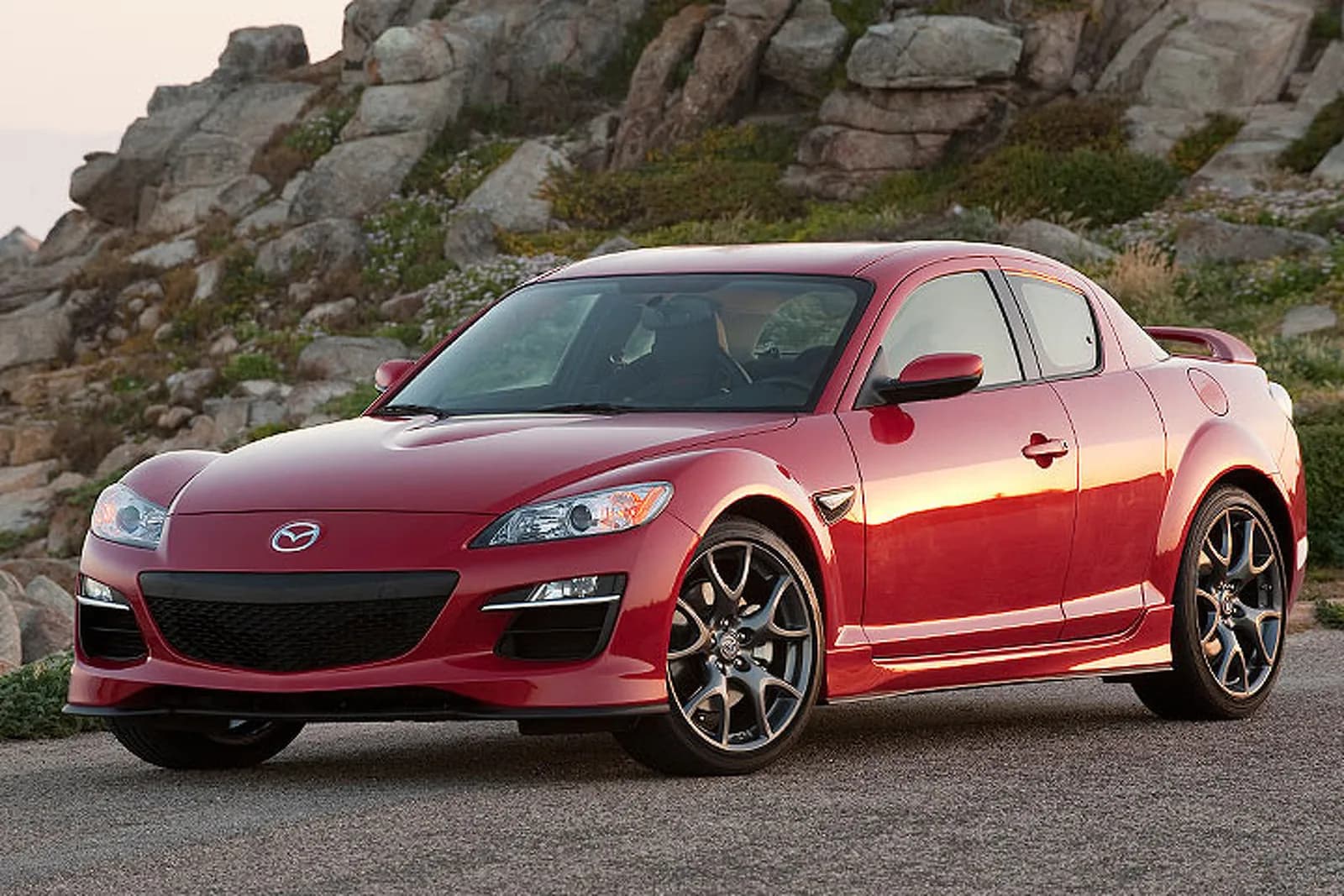
Mazda is considering a new rotary-engine application that could send power directly to the wheels, marking a departure from the range-extender layout used by the MX-30 R-EV. Moritz Oswald, product-planning manager at Mazda Motor Europe, said the company is examining hybrid configurations but did not identify a vehicle or provide a production timeline.
The comments keep open the possibility of a rotary-powered performance model, although Mazda has not confirmed a new RX or any other production car. For now, the automaker is discussing the concept at a technical and planning level rather than announcing a launch.
How Mazda could use the rotary
Oswald told Car Magazine that Mazda is interested in a setup where the rotary engine does more than generate electricity. The leading idea appears to be a hybrid system that starts the vehicle in electric mode before bringing the rotary into the powertrain later.
That approach would preserve some of the rotary’s traditional character while using a battery and electric motor to help address emissions requirements. Oswald said the engine’s appeal is tied to its revving behavior, sound and vibration, rather than simply its efficiency.
Mazda has ruled out pairing this proposed application with a continuously variable transmission. Oswald argued that a CVT could reduce the sense of connection between the driver and the car by changing the way shifts are experienced. His comments point toward a transmission strategy designed to retain more conventional driver involvement.
What the MX-30 R-EV does differently
The MX-30 R-EV uses Mazda’s rotary engine as a range extender, not as a direct mechanical drive source. The engine turns a generator, which supplies electricity to the battery, while an electric motor propels the vehicle.
A direct-drive rotary hybrid would therefore represent a meaningful change in the company’s approach. Mazda has used rotary engines since the 1965 Cosmo and continued with the layout through the RX-8, which ended production in 2012. It remains the only automaker currently committed to developing the engine configuration.
Rotary engineering continues
Mazda’s interest is supported by recent engineering work. A 2023 patent filing covers a rotary-specific exhaust gas recirculation system intended to address a known weakness of older rotary engines: excess fuel consumption used to cool the housing and control combustion temperatures.
The company has also filed an efficiency-focused patent aimed at making the rotary cleaner while preserving its characteristic behavior. Those developments could help support a direct-drive application that meets modern emissions standards, though Mazda has not said whether either technology will reach production.
No new rotary model confirmed yet
Mazda’s latest comments offer no confirmed name, launch date, performance figures or production commitment. They do show that the company is still evaluating ways to make the rotary engine part of the propulsion system rather than limiting it to onboard electricity generation.
Until Mazda announces a vehicle, the prospect of a rotary-powered sports car remains unconfirmed. The combination of hybrid assistance, ongoing patent work and internal enthusiasm nevertheless keeps a direct-drive rotary application under consideration.