By
By 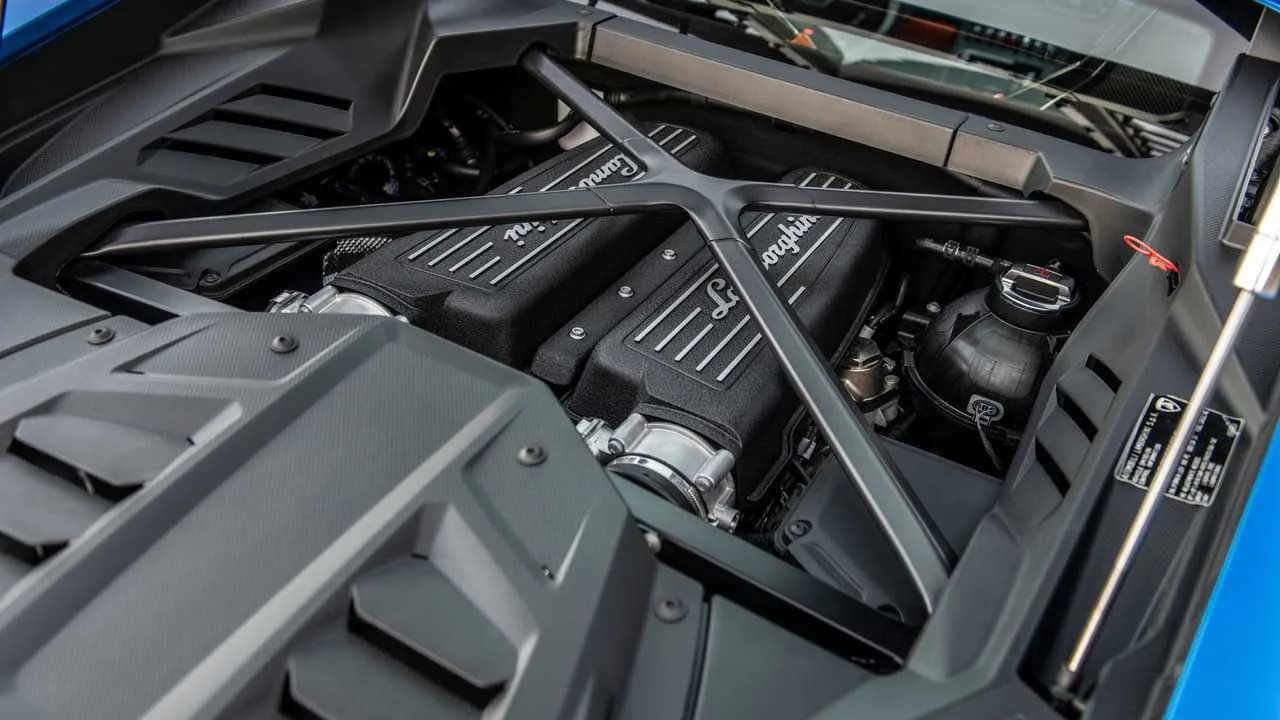
Lamborghini expected enthusiasts to mourn the Huracan’s naturally aspirated V10 when the Temerario replaced it with a smaller, turbocharged and hybridized engine. In comments published September 29, 2026, Temerario product line director Paolo Racchetti acknowledged that the company knew it was giving up one of the car’s most important defining traits.
Speaking with CarExpert in Milan, Racchetti said Lamborghini anticipated criticism but viewed much of the reaction as nostalgia for an engine that shaped the Huracan’s identity. The 5.2-liter V10 was not simply a source of power; its high-revving character and distinctive sound were central to the entry-level Lamborghini supercar’s appeal.
Temerario powertrain and performance character
The Temerario uses a 4.0-liter twin-turbocharged V8 paired with three electric motors. Lamborghini has retained an unusually high 10,250-rpm redline, but the company does not claim the new engine sounds identical to the V10.
Racchetti described the V10 as having the more melodic soundtrack. The Temerario’s flat-plane-crank V8 is intended to deliver a sharper, more aggressive character instead. Lamborghini says the car’s personality changes as the revs rise: below 7,000 rpm, it behaves like a refined supercar, while higher in the rev range its racing character becomes more apparent.
The engine is also destined for Audi’s limited-run Nuvolari, described as the brand’s not-quite-R8 successor. That connection gives the new V8 significance beyond Lamborghini’s own lineup.
Why Lamborghini retired the V10
The decision was driven by increasingly strict emissions and noise regulations, not by a desire to abandon combustion engines. Lamborghini said keeping a naturally aspirated 10-cylinder engine competitive across global markets was becoming more difficult.
Large-displacement engines throughout the industry face the same pressure. Even Lamborghini’s V12 survives in the Revuelto only with hybrid assistance, while the Temerario combines fewer cylinders, turbocharging and electric motors to meet the changing requirements.
Temerario demand and Lamborghini’s next move
Early demand suggests the powertrain change has not discouraged buyers. Lamborghini says the Temerario has accumulated enough orders to represent roughly a year of production. That does not erase the emotional appeal of the Huracan’s V10, but it indicates customers are accepting the new formula.
Lamborghini’s broader product strategy also remains centered on combustion power. The 2+2 grand tourer previously intended to be purely electric is expected to use a gas engine when it reaches production closer to the end of the decade. The company says its internal research found “close to zero” customer interest in an EV, while CEO Stephan Winkelmann has called electric cars an “expensive hobby” in the high-end supercar segment.
The V10 chapter is effectively closed, but Lamborghini is not treating the Temerario as a quiet compromise. Its 10,250-rpm V8, three electric motors and changing character are designed to preserve the drama in a more heavily regulated era.