By
By 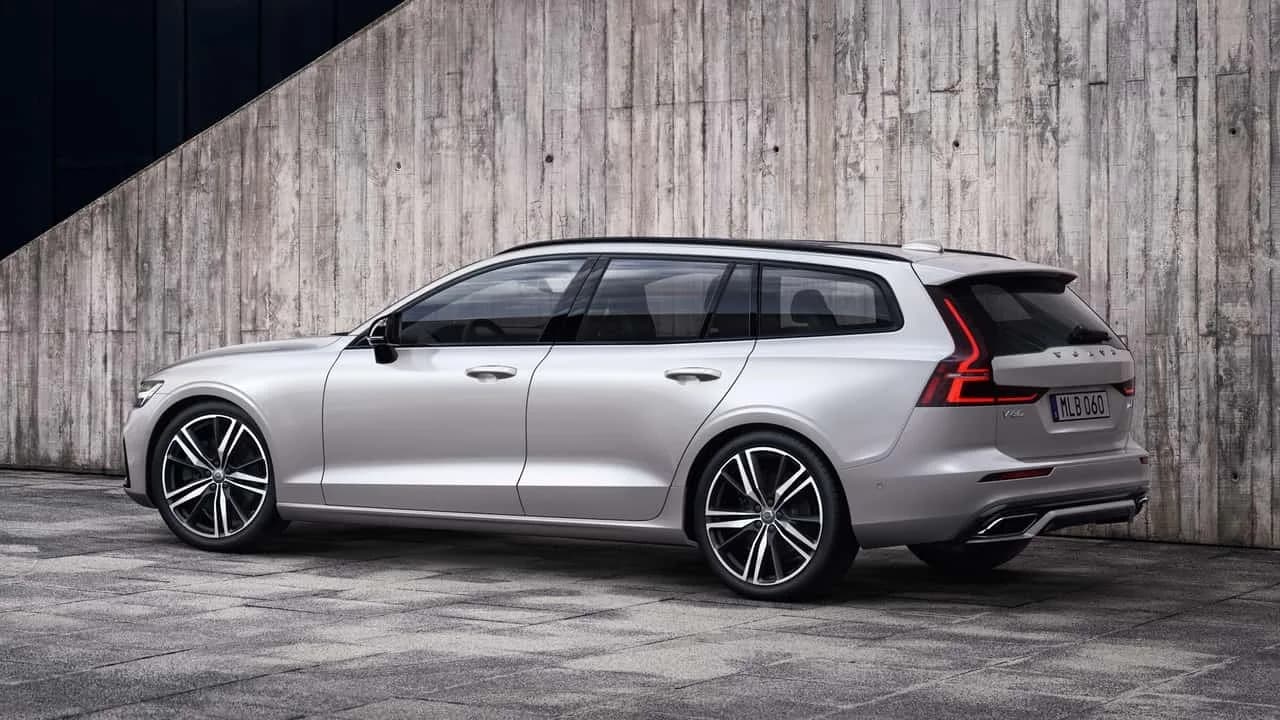
Volvo is preparing a major lineup expansion that could return sedans and station wagons to its US range. The Swedish automaker’s latest product plan calls for 13 new models between now and 2030, including “new low & high body types” and seven models aimed at Western markets.
Volvo has not confirmed the identities of those vehicles or said which will reach the United States. However, the company’s use of “low” body types strongly suggests sedans and wagons, while “high” refers to SUVs and other taller vehicles. The plan marks a potential shift away from Volvo’s increasingly SUV-heavy lineup.
Possible sedans and wagons for America
Volvo offered few details about the low cars in its presentation, but the idea aligns with earlier indications that both a sedan and a station wagon are being developed for Europe. Volvo has also acknowledged that its US portfolio may have become too concentrated around SUVs.
Those future models are unlikely to be simple US versions of the electric ES90. Volvo sells the ES90 in markets including Europe, but the company currently has no plans to bring that luxury sedan to the United States. The new cars could instead be separate models designed to broaden Volvo’s global range.
A wider lineup could also help Volvo cover some of the space left by Polestar as that brand’s 2 and 5 models disappear. Volvo has not said whether any planned sedan or wagon will use an existing nameplate, a new badge, or a particular powertrain.
More than just lower body styles
The Western-market plan includes more than sedans and wagons. Volvo also says it is developing larger vehicles with multiple powertrain options. The XC90 and EX90 currently lead the brand’s SUV range, but executives have suggested there may be room for something even larger—potentially a vehicle positioned against the Cadillac Escalade.
Electrification will remain central to the expansion. Volvo identifies a second vehicle based on its SPA3 electric architecture, the platform currently used by the EX60. The automaker’s mention of multiple powertrains for larger vehicles indicates that its future Western lineup will not be exclusively battery-electric.
What Volvo has not confirmed
Volvo has not revealed the designs, names, launch timing, prices, or production status of the planned low cars. It also has not confirmed that either a sedan or wagon will be sold in the US.
Still, the product strategy points to a significantly more varied Volvo lineup by 2030, combining SUVs with lower cars, larger vehicles, and a mix of electric and other powertrain options. For US buyers, the key question is whether Volvo follows through on bringing those lower models across the Atlantic.