By
By 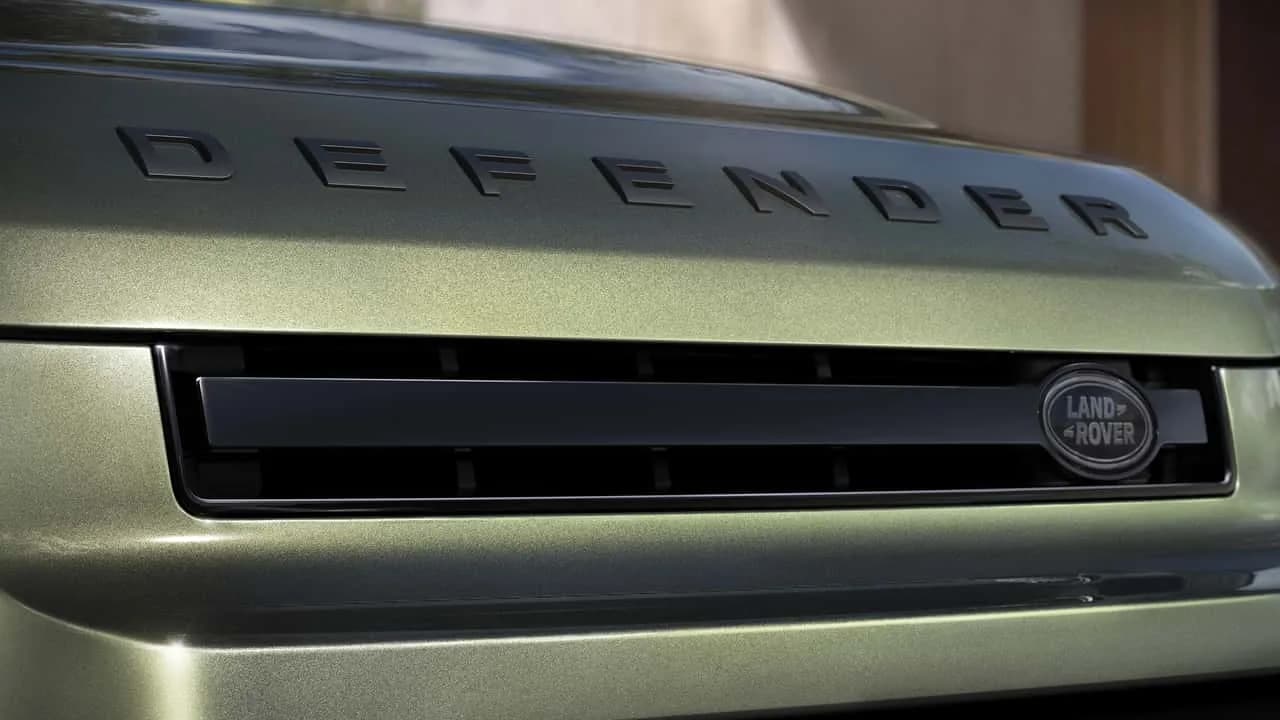
Jaguar Land Rover and Stellantis are formally exploring a US-built Defender pickup, giving the long-rumored project a clearer path toward production. The companies signed a non-binding memorandum of understanding in May 2026 and are studying whether the truck could be assembled in the United States rather than exported from JLR's plant in Slovakia.
The potential move is driven partly by US trade policy. Imported trucks face a 25 percent tariff under the long-standing levy commonly known as the Chicken Tax, making a European-built Defender pickup difficult to price competitively. Local production could avoid that cost while giving JLR a stronger manufacturing foothold in the US market.
Defender pickup talks and US production
JLR CFO Richard Molyneux said the agreement is expected to be finalized by the end of 2026, according to Automotive News. JLR CEO Pathamadai Balachandran Balaji described the cooperation with Stellantis as part of the company's longer-term growth strategy for the United States and nearby markets.
All current US-market Defender models—the 90, 110, and 130—are built in Slovakia. A pickup assembled in America would therefore represent a major change in the model's production footprint and would revive a type of Land Rover product not sold in the US since the early 1970s, when the brand offered Series pickups.
Stellantis is reportedly considering a specific factory for the project, with Belvidere, Illinois, identified as a possible location. However, neither automaker has confirmed Belvidere. Stellantis CEO Antonio Filosa has said the companies are evaluating cooperation connected to a particular factory, but he has not named the site or confirmed which vehicles would be built there.
Platform and powertrain remain unknown
The biggest unanswered question is how closely the pickup would be related to existing Stellantis products. Outside reports suggest the partnership could use Ram or Jeep platforms and powertrains instead of creating an entirely new chassis. Stellantis and JLR have not confirmed any platform, engine, or powertrain for the potential truck.
That leaves open several possible engineering directions. A Ram-derived body-on-frame architecture could provide a more conventional pickup foundation, while a solution closer to the Defender's unibody design could better preserve the model's existing construction and character. The companies have not disclosed whether the truck would use either approach.
What the agreement means for buyers
For US buyers, local assembly could make a Defender pickup more practical under the current tariff structure. It could also allow JLR to offer a truck without absorbing the full cost of importing a vehicle from Europe. Still, the agreement is non-binding, and no production date, pricing, trim walk, or final specifications have been announced.
The next milestone is the expected agreement decision by the end of 2026. Until then, the factory location, underlying hardware, powertrain lineup, and relationship between the pickup and the existing Defender family remain unsettled.