By
By 
Volvo plans to launch 13 all-new vehicles between now and the end of 2030, marking the Swedish automaker’s biggest product offensive in nearly a century. The upcoming range will combine fully electric models with third-generation hybrids, as Volvo adjusts its strategy for customers who are not ready to switch entirely to EVs.
Seven of the 13 vehicles will be aimed at Western markets, while six will be developed specifically for China. The cars will be sold across Volvo’s three main regions: Europe, the United States, and China. The company also says the program will expand into new segments rather than simply replacing its current lineup.
EVs and third-generation hybrids
Volvo had previously been among the automakers promising to move away from combustion engines, but its new plan gives hybrids a significant role alongside battery-electric vehicles. The company cited customers who remain reluctant to go fully electric as a reason for developing the next generation of hybrid models.
Volvo’s recently introduced long-range plug-in hybrid versions of the XC60 and XC90 illustrate how the brand expects to bridge the gap. These models are intended for buyers who want electric-driving benefits without committing to a fully electric vehicle.
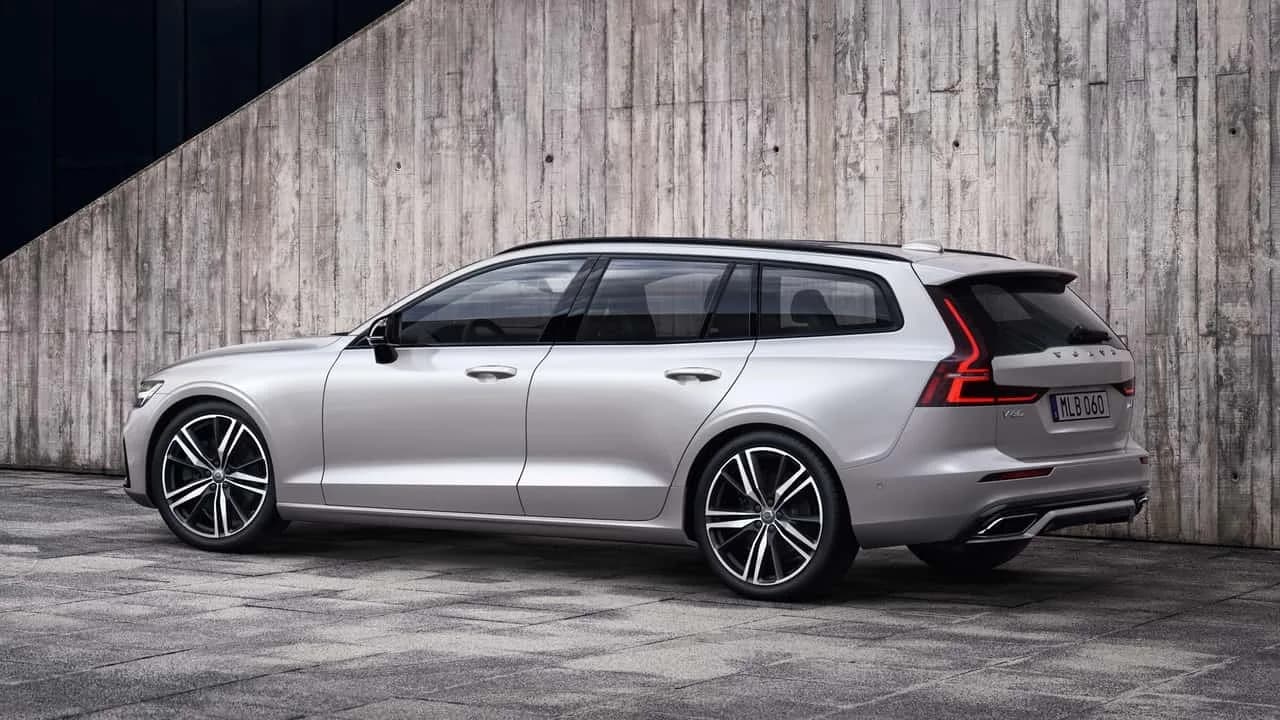
The company has not identified all 13 models. Its announcement does, however, promise vehicles for new segments, meaning the offensive is not limited to replacements for the XC40, XC60, and XC90. Volvo’s discontinued V90 wagon and increasingly overlooked V60 leave room for speculation about whether a future wagon could return, but the automaker has not confirmed one.
Regional platforms and Geely cooperation
Vehicles for Western markets will use Volvo’s SPA2 and SPA3 architectures. For China-specific products, Volvo will work more closely with parent company Geely and share platforms to speed development and launches.
That regional approach should allow Volvo to tailor vehicles to local preferences while lowering development costs. The company aims to reach 30 percent commonality in parts, which it describes as three times higher than today.
Volvo CEO Håkan Samuelsson said the company’s showrooms will look “very different” in 2030. He described the pipeline as Volvo’s strongest ever and said the products would be tailored to regional needs.
Sales strategy and timing
The product rollout is part of a broader commercial overhaul. Volvo plans to introduce a simpler sales model built around transparent pricing, less complicated offers, and special versions designed for faster delivery.
The first of the 13 new models is expected to arrive before 2030, although Volvo has not provided a detailed launch schedule. The company’s broader goal is to double its market share while offering customers a choice between EVs and hybrids.