By
By 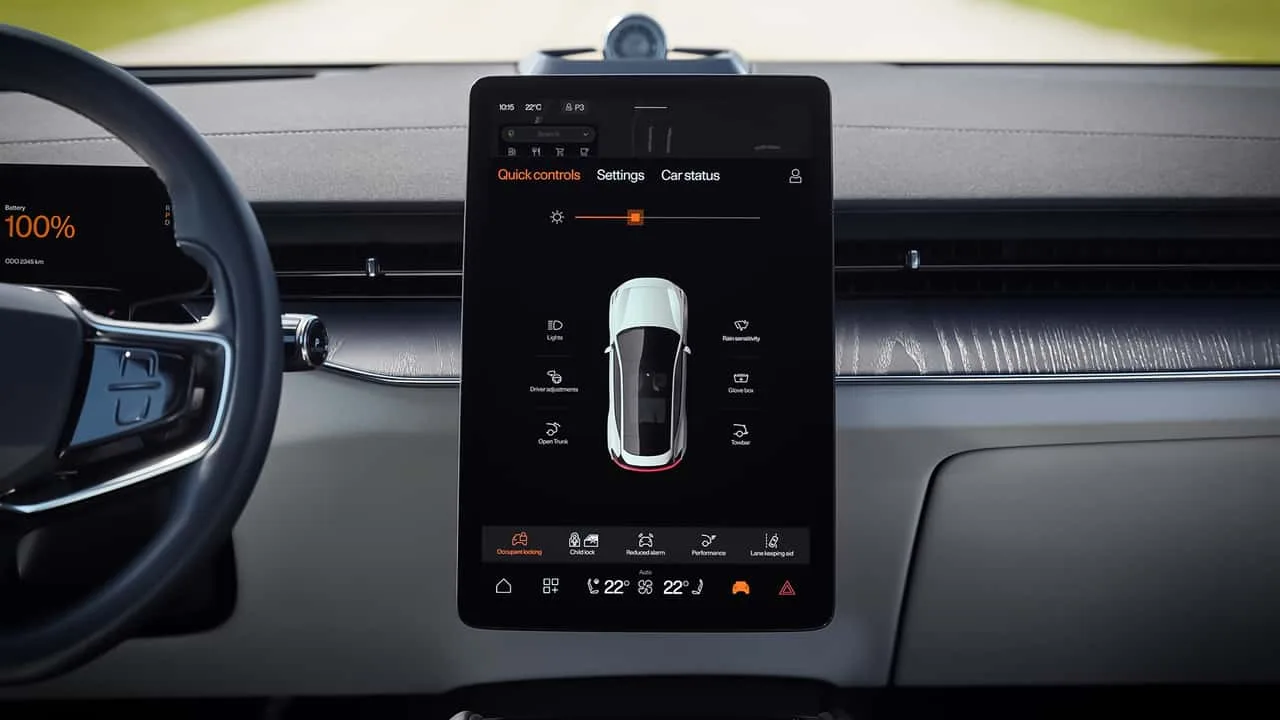
Polestar is preparing to add more physical buttons and knobs to its future electric vehicles, marking a clear change for a brand known for placing many cabin functions inside a central touchscreen. The shift was confirmed by Polestar head of design Philipp Römers during an online webcast, as the automaker also outlined broader changes to its infotainment and interior design strategy.
The move comes as regulators and safety-rating organizations put greater emphasis on tactile controls. New European safety standards from Euro NCAP require certain physical controls for vehicles to receive a five-star rating, while China has also begun tightening rules around touchscreen-heavy vehicle interiors.
Physical controls return to Polestar cabins
Polestar’s current interiors are built around a minimalist layout with heavy reliance on digital displays. Römers said that approach will change as upcoming models adopt more buttons and knobs. The company has not yet detailed which functions will return to physical controls or when the revised layouts will appear.
For drivers, the change could make frequently used features easier to operate without navigating menus. It also reflects a wider industry adjustment as automakers respond to both customer frustration with excessive touchscreen dependence and evolving requirements in key markets.
Infotainment gets more personalization
Polestar will continue using Android Automotive for its infotainment system, but future updates will add expanded personalization options. The goal is to make the software experience feel more tailored to individual drivers while retaining the underlying platform.
The company has not announced specific new features, interface details, or a launch date for the updated system. The confirmed direction suggests Polestar is refining its digital experience rather than abandoning screen-based controls altogether.
More colors and materials planned
Cabin design is also due for a wider range of finishes. Römers said new colors and materials are planned for models including the Polestar 3 and Polestar 4, which currently offer interiors centered on gray, white, and black shades.
Adding more choices would give buyers greater scope to distinguish their vehicles, while helping Polestar move beyond the restrained palette associated with its current minimalist design language.
Part of a wider Polestar product push
The interior changes arrive as Polestar works on what it has described as its “largest model offensive in company history.” That effort includes an updated Polestar 4, a refreshed Polestar 2, and the announcement of the all-new Polestar 7.
The company has also delayed the Polestar 6, which had originally been expected to debut this year. Together, the model updates and cabin revisions point to a broader effort to strengthen Polestar’s position in the luxury EV market through more varied products and a less screen-dominated user experience.