By
By 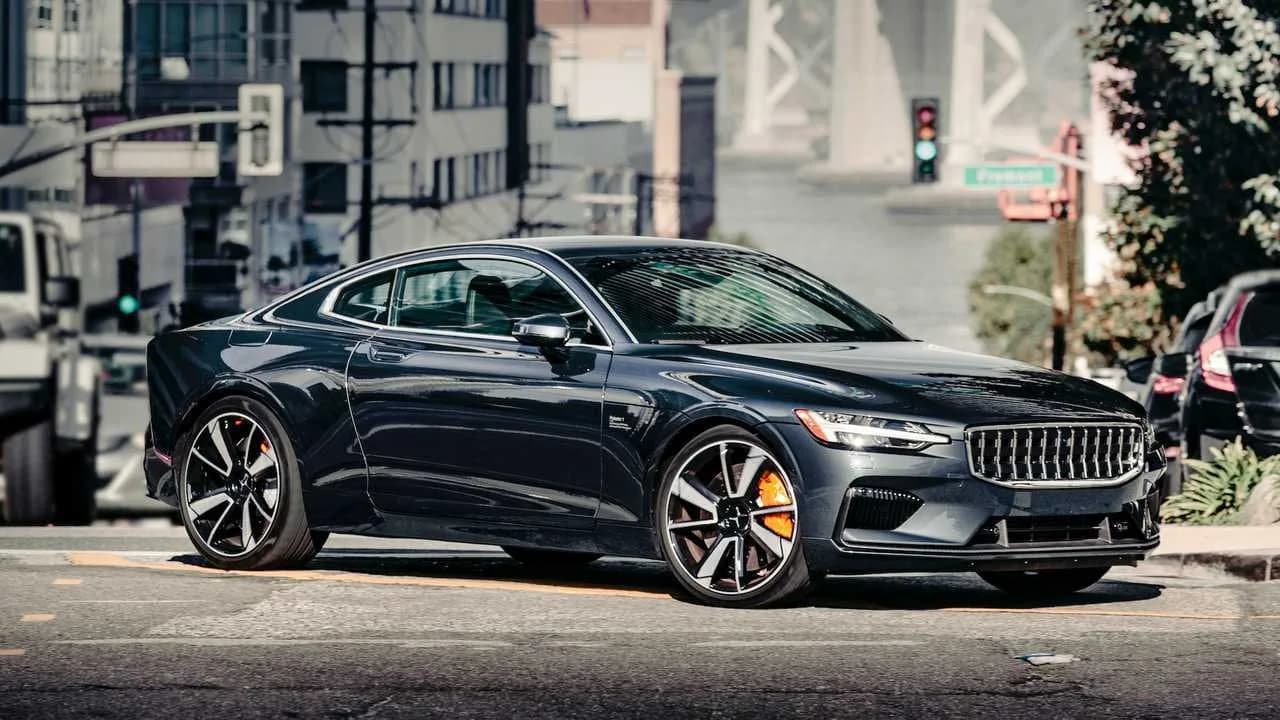
Polestar Australia managing director Scott Maynard has criticized plug-in hybrid vehicles as “the worst of both worlds,” arguing that they combine the complexity of an electric powertrain with the weight and maintenance demands of a gasoline engine. His comments appeared in an interview with Drive as Polestar continues to position itself as an electric-only automaker.
Maynard’s assessment is especially notable because plug-in hybrids remain a major bridge technology for automakers that are not ready to move entirely to battery-electric vehicles. Polestar, however, believes improvements in EV range and charging technology will make PHEVs increasingly difficult to justify.
Why Polestar dislikes PHEVs
According to Maynard, a plug-in hybrid requires two separate propulsion systems to be packaged and maintained in one vehicle. That means an electric drivetrain and battery must coexist with a gasoline engine and its supporting hardware.
“You’ve got all the complexity of an electric drivetrain, coupled with all of the weight and complexity of a petrol drivetrain,” Maynard told Drive. He also pointed to the lack of zero-emissions capability and the potential for higher maintenance requirements because the systems must be serviced independently.
Polestar’s Australian chief further argued that many PHEV owners do not charge their vehicles regularly. When the battery is depleted, the vehicle must carry its additional battery mass without receiving the full efficiency benefits of electric operation. Packaging can also be more difficult because the vehicle has to accommodate both a combustion powertrain and a substantial battery system.
Polestar expects EVs to take over
Maynard described plug-in hybrids as “fast becoming irrelevant,” saying advances in battery-electric vehicles are reducing the range anxiety that once made PHEVs especially attractive. Polestar became an EV-focused brand after ending production of the Polestar 1 in 2021, its first production model as a standalone marque and a plug-in hybrid.
The company’s position contrasts with other brands within the Geely Group. Volvo and Lotus continue to offer plug-in hybrids, while Lynk & Co also sells PHEV models. Geely additionally markets electric vehicles equipped with range-extender combustion engines, showing that the wider group is pursuing several electrification strategies at once.
PHEVs still fit some driving patterns
Polestar’s criticism does not eliminate the practical case for plug-in hybrids. Charging infrastructure remains uneven in many regions, and a PHEV can provide electric driving for shorter trips while retaining a gasoline engine for long-distance travel.
Newer plug-in hybrids are also delivering significantly more electric range. The Volvo XC70, for example, is rated for 112 miles (180 kilometers) under China’s CLTC testing standard. Diesel plug-in hybrids can likewise appeal to drivers who spend long periods on highways but want electric operation in urban areas.
The broader growth of range-extender electric vehicles suggests combustion engines will remain part of the transition even as battery-electric technology advances. For Polestar, the destination is clear: a simpler, fully electric lineup. For buyers facing limited charging access or needing one vehicle for both city and long-distance use, PHEVs remain a relevant compromise for now.