By
By 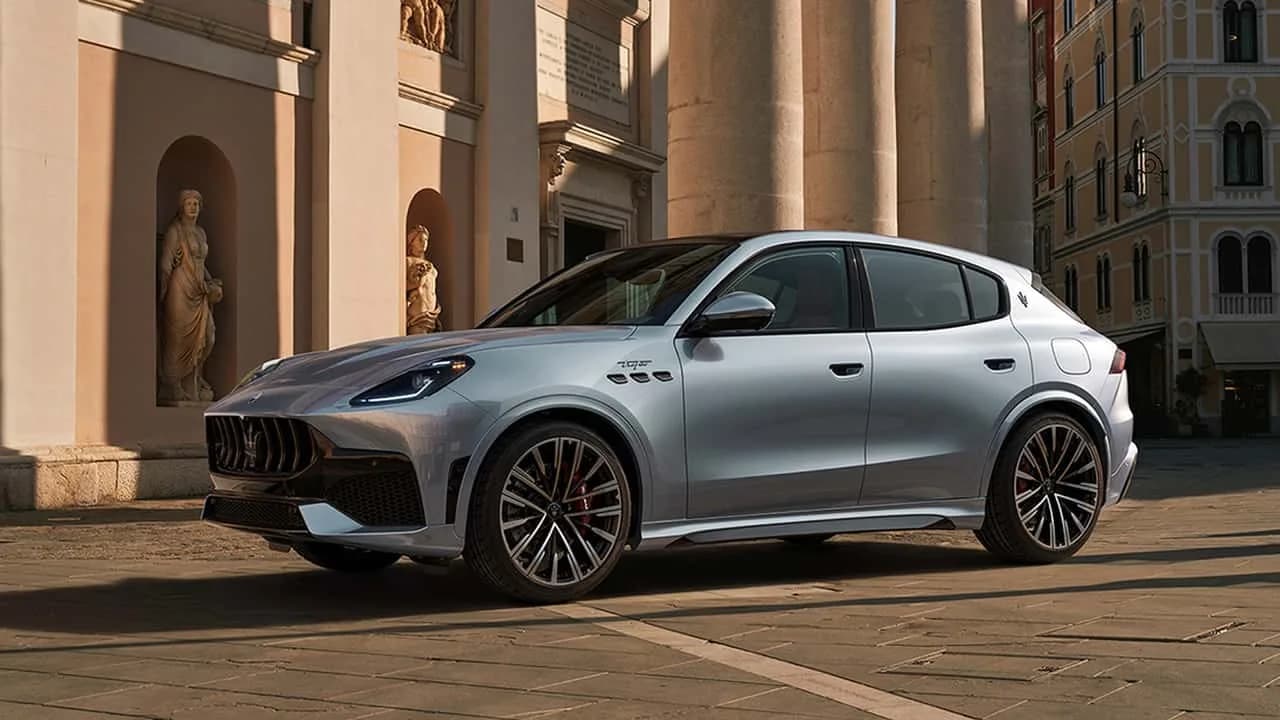
Maserati is reportedly exploring two new electric vehicles with Huawei and JAC Motors: a large electric grand tourer and a mid-to-large SUV. The vehicles would expand the brand’s battery-powered lineup beyond the Grecale Folgore and GranTurismo Folgore, although neither Maserati nor Stellantis has confirmed a commercial agreement or production schedule.
Reports point to mass production of the first model in the second half of 2027. The order of launch remains unclear, and the proposed arrangement is still described as being under discussion rather than finalized.
Two new Maserati EVs under discussion
The reported program would add vehicles positioned above or alongside Maserati’s existing electric models. One would be a large electric grand tourer, while the other would occupy the mid-to-large electric SUV segment.
Huawei would reportedly provide several major elements of the vehicles, including its HarmonyOS Intelligent Mobility platform for the smart cockpit, Qiankun ADS driver-assistance software and electric-drive components. JAC Motors would handle whole-vehicle engineering and manufacturing at its Zunjie Super Factory in Hefei.
Maserati’s role would focus on styling and access to its overseas distribution network. The structure would allow the Italian marque to contribute its design identity and sales presence while relying on partner companies for much of the vehicle development and production work.
How the proposed China-to-Italy production plan works
According to Future Cars Daily, the plan would use semi-knocked-down, or SKD, production. JAC would build the body shells and other elements in Hefei before shipping them to Italy. Final assembly would then take place in Italy before the vehicles reach customers.
Reports describe a dual-brand strategy. The vehicles would reportedly be sold in China under the Maextro name while carrying Maserati badges in export markets. Italy, France, Germany and the Middle East are named as initial overseas targets.
For buyers, that arrangement would make the location and extent of Italian assembly an important part of the cars’ positioning. The proposal combines Chinese manufacturing capacity and technology with Maserati design and brand distribution, but the final commercial structure has not been publicly announced.
Maserati seeks partners as sales fall
The reported talks come as Maserati faces significant pressure. The brand delivered about 7,900 vehicles globally in 2025, roughly 85 percent below its 2017 peak. It also posted an adjusted operating loss of €198 million ($227 million), equivalent to a negative 27.3 percent profit margin.
Stellantis CEO Antonio Filosa has said that Maserati needs industry partners but “will not sell the brand.” That position suggests any Huawei and JAC collaboration would be structured as a technical and manufacturing partnership rather than a transfer of Maserati ownership.
Until Maserati or Stellantis announces definitive terms, the two EVs remain reported projects. A formal agreement would need to clarify the launch sequence, production split, branding, final assembly process and availability in each market.