By
By 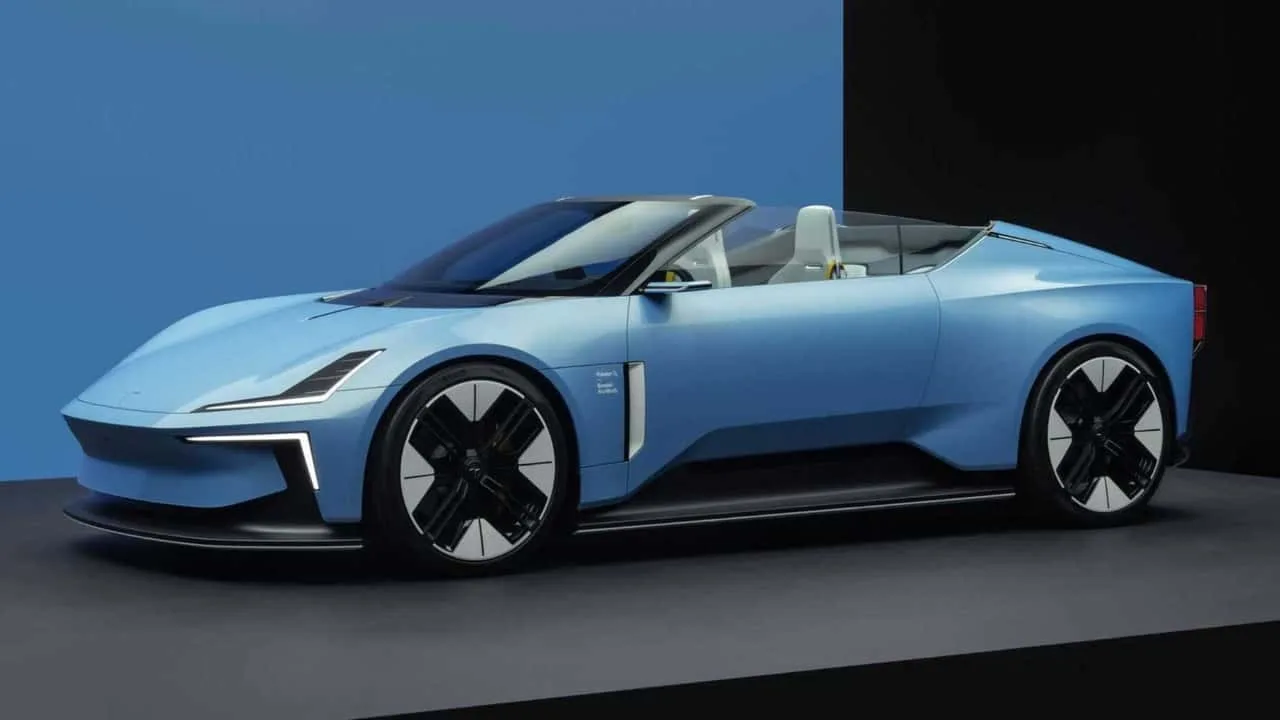
Polestar plans to give its future vehicles a more visually confident look, with CEO Michael Lohscheller saying the brand’s current design language can be too restrained for American and Chinese buyers. The change will be evolutionary rather than radical, and the upcoming Polestar 7 compact SUV could become the first major expression of that new direction.
In an interview with Car magazine, Lohscheller said buyers in the United States and China “don’t want too much understatement.” He described Polestar’s existing appearance as occasionally “too modest” and “too humble,” while emphasizing that the brand should remain recognizable.
Polestar wants performance to show through
Lohscheller has asked new design chief Philipp Romers to make the company’s performance credentials more apparent. The goal is not simply to add brighter colors or more paint options. In fact, Lohscheller said increasing paint choice would add complexity. Instead, the visual emphasis will come through the vehicles’ overall design and presence.
“The brief I gave [Romers] is to highlight the performance, and show it in a confident way,” Lohscheller told the publication. He also cautioned that Polestar is working within a narrow margin: The cars should appear more assertive without abandoning the restrained design identity established under former design chief Maximilian Missoni.
Missoni’s design language first appeared on the Polestar 1 coupe in 2019. He later left Polestar for BMW, while Romers joined the company after serving as Audi’s head of design. Romers’ previous work includes the Audi A6 and Q6 E-Tron, along with the seventh-generation Volkswagen Golf.
Polestar 7 could mark the bigger change
Polestar already has the Polestar 5 sedan and Polestar 6 sports car in development, but those models are unlikely to receive a significant redesign after the company’s shift in leadership and design direction. Their styling was established before Romers took charge.
The more substantial change could arrive with the Polestar 7. The upcoming model will be a compact electric SUV intended to compete with the electric Porsche Macan. That positioning gives the Polestar 7 an important role as the brand seeks new product and stronger appeal in key markets.
A careful reset for the Swedish EV brand
The design discussion comes as Polestar works through a difficult period marked by major sales declines, leadership changes and delays in bringing new products to market. Lohscheller replaced founding CEO Thomas Ingenlath as the company looks to reset its strategy.
For buyers, the planned shift suggests future Polestar models may carry more visible performance cues while retaining the company’s minimalist foundations. The Polestar 5 and Polestar 6 will arrive under the existing design approach, while the Polestar 7 is the likeliest candidate to show how much extra visual confidence Polestar can add without making a radical break from its past.