By
By 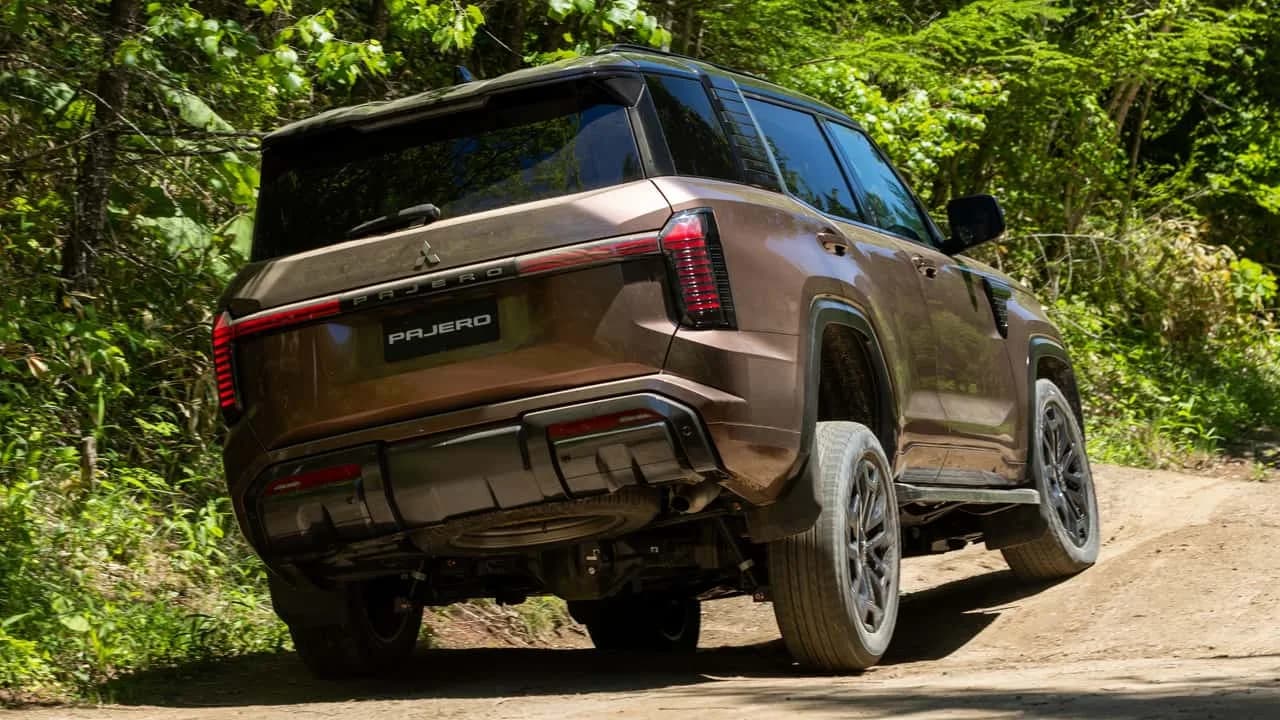
The reborn Mitsubishi Pajero is breaking with one of its most recognizable design cues. The fifth-generation SUV moves its spare wheel from the tailgate to underneath the vehicle, replacing the traditional side-hinged rear door with a conventional tailgate.
Mitsubishi says the change reflects how owners use the Pajero today. The company also incorporated a hexagonal detail into the tailgate as a visual reference to the external spare wheel that defined the previous model from behind.
Why Mitsubishi moved the spare wheel
Kunitoshi Itagaki, Mitsubishi’s chief product specialist, told Australian publication Drive that the old arrangement created several practical problems. Mounting the tire on the rear door added weight, making the door heavier to operate. Opening the cargo area also required moving that weight each time.
The externally mounted wheel could additionally interfere with towing equipment and other accessories. By relocating it below the body, Mitsubishi can give the new Pajero a cleaner rear design while making the tailgate more conventional and easier to use.
Itagaki said Mitsubishi considered feedback from customers across global markets. While some owners use the SUV in extreme off-road conditions, others rely on it for daily driving. The automaker therefore prioritized everyday usability when deciding to retain the spare tire underneath the vehicle.
New tailgate adds camping flexibility
The revised rear-end layout also supports a camping-oriented feature. Mitsubishi says the new tailgate can be incorporated into a tent setup, creating a makeshift shelter at the back of the SUV. Removing the bulky tire from the door leaves that area unobstructed for the intended use.
For daily drivers, the arrangement should make it simpler to access the cargo area and avoid the additional rear-door mass. However, the underbody location changes how owners retrieve the tire after a puncture, particularly in muddy or difficult off-road conditions. The source material does not provide details about the spare’s exact access mechanism.
A broader Pajero revival
The larger Pajero is expected to lead a broader return for the nameplate. Mitsubishi has already teased smaller models that are set to join the flagship SUV, indicating that the revived Pajero could become a family of vehicles rather than a single model.
That makes the spare-wheel decision more significant than a simple styling update. Mitsubishi is using the revived nameplate to balance its traditional off-road identity with the convenience expected from a modern SUV. The hexagonal tailgate design element preserves a link to the classic Pajero, even as the hardware moves out of sight.