By
By 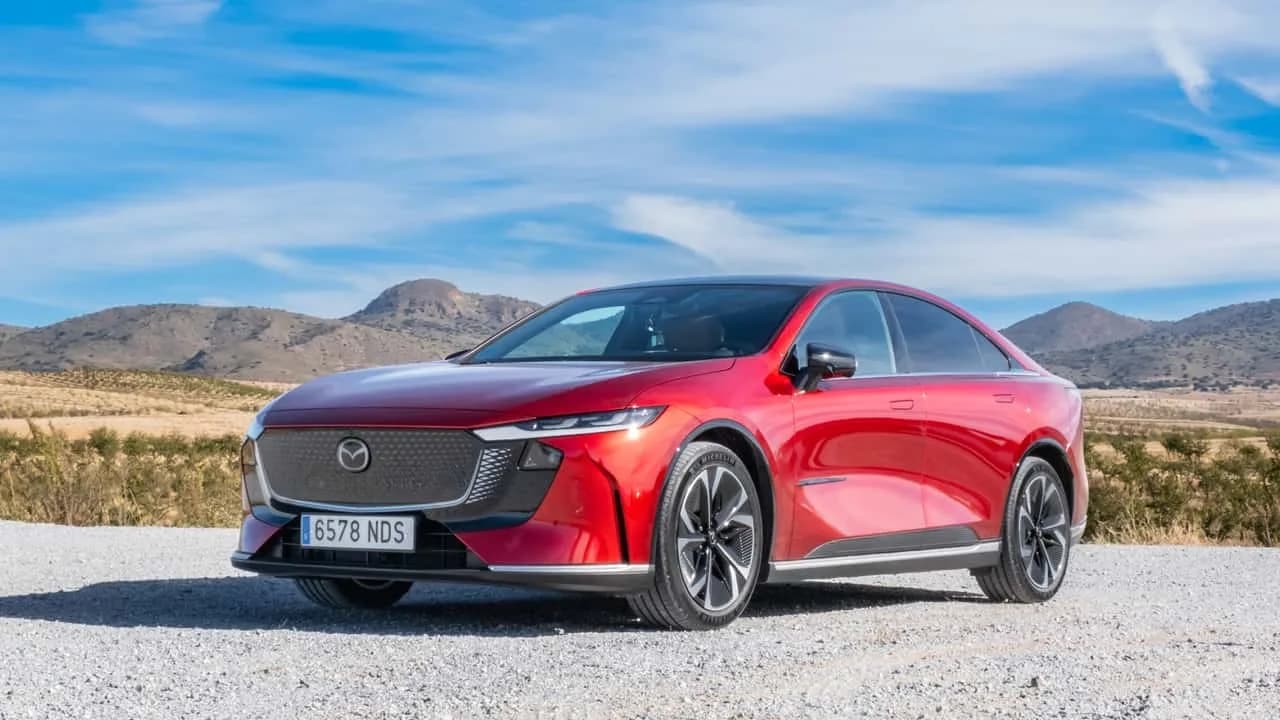
Mazda is exploring additional electric vehicles with longtime Chinese partner Changan, potentially expanding its reliance on China-built models beyond the 6e liftback and CX-6e SUV. Mazda Australia managing director Vinesh Bhindi confirmed the discussions, saying the automaker has started examining “what other opportunities could be there” with Changan.
Bhindi also gave a direct answer when asked whether Mazda would use Changan-developed EVs while its own battery-electric program continues: “Absolutely.” The comments point to a broader partnership strategy as Mazda works to add electric models without developing every vehicle independently.
More Changan-based EVs planned
Mazda’s existing corporate roadmap calls for two more models based on its Changan joint venture during the 2028-2030 period. The company has said these vehicles will support its plans to export more EVs beyond China, although it has not released details about their body styles, specifications, markets or names.
Mazda says future Chinese-built vehicles will receive more than cosmetic changes. Bhindi said the company would continue working to make the models distinct from their Changan counterparts. The Nanjing facility operates as a Mazda factory within the joint venture, while Mazda’s European team is involved in ride and handling development.
That arrangement gives Mazda access to China’s EV manufacturing and technology base while allowing it to tune the vehicles toward its own driving character. The 6e and CX-6e are the first examples of that approach to reach export markets.
Mazda’s in-house EV plans
The expanded Changan relationship comes as Mazda’s own battery-electric plans move further into the future. After the limited-range MX-30 and its rotary-engine range-extender variant, the automaker is now targeting 2029 for its next dedicated in-house EVs.
Mazda is also nearly halving its EV investment and directing more resources toward hybrids built around the upcoming Skyactiv-Z gasoline engine. That strategy reflects Mazda’s continued effort to use multiple powertrain types rather than switch entirely to battery-electric vehicles in the near term.
Why the partnership matters
Regulatory pressure is making additional EVs increasingly important, particularly in Europe, where automakers face financial penalties for exceeding fleet emissions targets. Mazda’s expanded Changan partnership could provide a quicker and lower-cost way to increase its electric lineup while the company continues developing hybrids and combustion engines for markets where those powertrains remain in demand.
The future models could also show how much Mazda can differentiate partner-developed vehicles. For now, the company’s roadmap establishes two additional Changan-based EVs for the 2028-2030 period, while its dedicated in-house battery-electric models remain targeted for 2029.