By
By 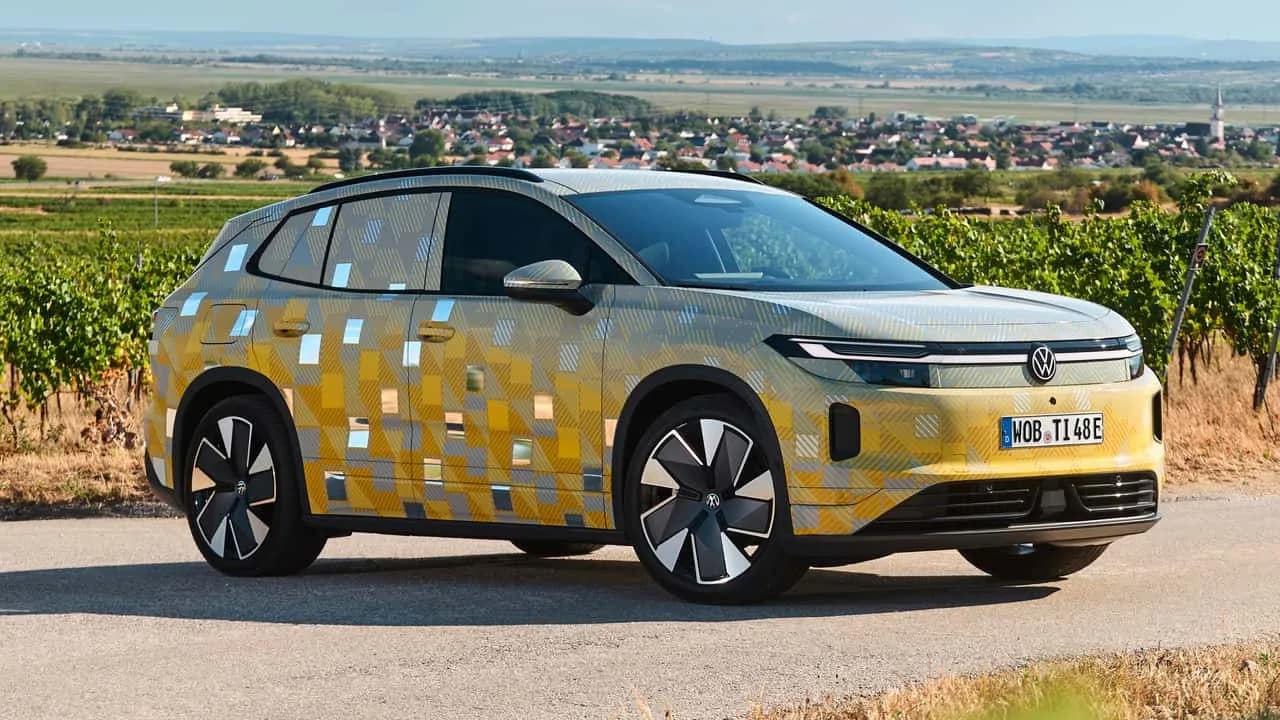
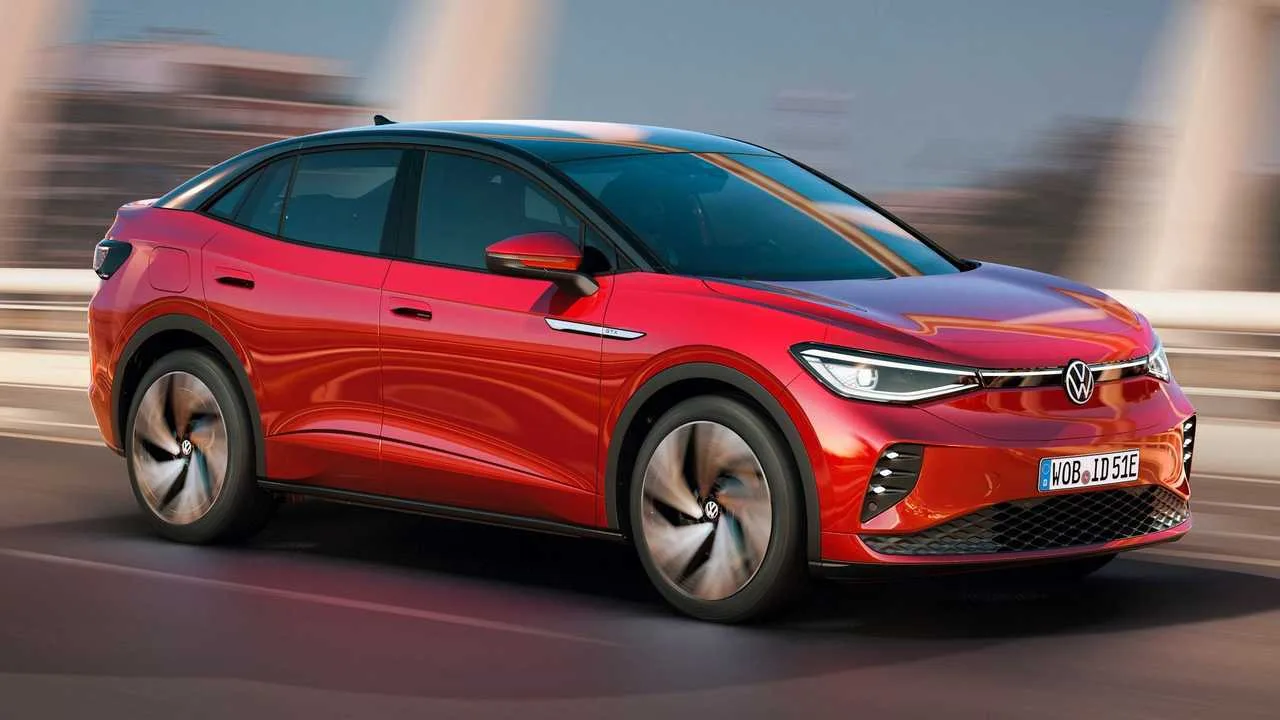
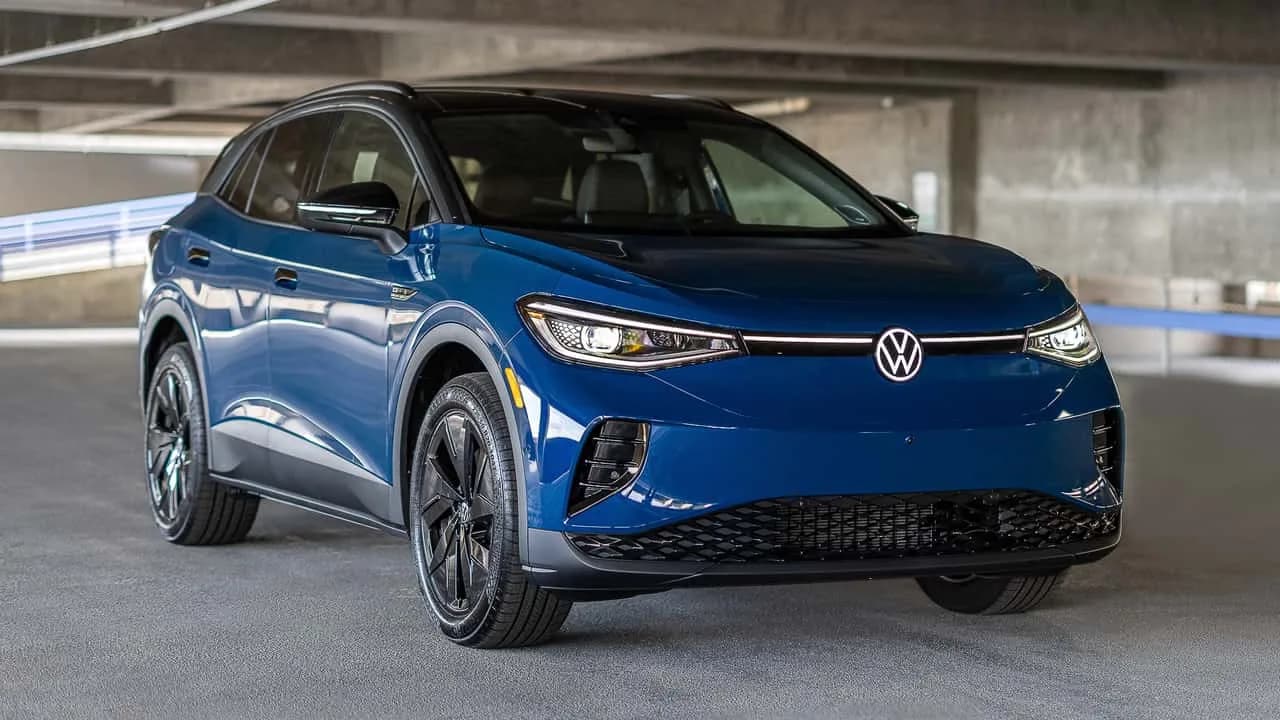
Volkswagen will rename its electric ID.4 crossover the ID. Tiguan when a facelifted version arrives in Europe early next year. The 2027 model will later come to the United States as the successor to the ID.4, with revised exterior styling, larger displays, and more conventional controls.
The name change does not make the electric crossover an EV version of the gas-powered Tiguan. Volkswagen says the two models will continue to be technically separate: The ID. Tiguan uses the MEB dedicated-electric platform, while the gasoline, diesel, and plug-in hybrid Tiguan are based on the MQB architecture.
Why Volkswagen is using the Tiguan name
The Tiguan name has become one of Volkswagen’s most recognizable global SUV badges. The company says it has sold more than 8.3 million Tiguans since the model launched nearly 20 years ago.
Volkswagen plans to position the ID. Tiguan alongside the conventionally powered Tiguan, following the same strategy used for the electric ID. Polo and the regular Polo. The company has suggested that the two Tiguan models could eventually converge into a single electric vehicle, but uneven EV adoption around the world makes that unlikely for many years.
2027 ID. Tiguan styling changes
The facelifted electric SUV appears to retain the current ID.4’s overall shape and dimensions, but Volkswagen is making significant changes at both ends. Camouflaged prototypes show redesigned headlights and taillights intended to give the crossover a boxier visual impression.
The lighting design appears related to the units used on newer Volkswagen products including the ID. Polo and ID.3 Neo. The side profile remains broadly familiar, so the update is primarily concentrated on the front and rear rather than a complete redesign.
More physical controls inside
The cabin receives a more substantial usability update. Volkswagen is adding a row of physical buttons beneath the center touchscreen and removing the current touch slider. The ID. Tiguan also gets a much larger digital instrument cluster and steering-wheel buttons that use physical controls.
Each door will have separate window switches, replacing the arrangement that required drivers to select between front and rear windows. A volume knob positioned between the seats is also expected, although Volkswagen has not yet shown that component clearly.
The changes mirror the approach used for the ID.3 Neo facelift. Volkswagen has committed to restoring some physical controls across its newer products, and the ID. Tiguan brings that strategy to the electric SUV that previously wore the ID.4 name.
European and U.S. availability
Volkswagen says the ID. Tiguan will go on sale in Europe at the beginning of 2027. The company plans to bring it to North America afterward to fill the space left by the ID.4, but it has not announced U.S. timing or market-specific specifications.
Additional North American details will be released later. Volkswagen has not yet provided pricing, battery information, range figures, or performance specifications for the renamed model.