By
By 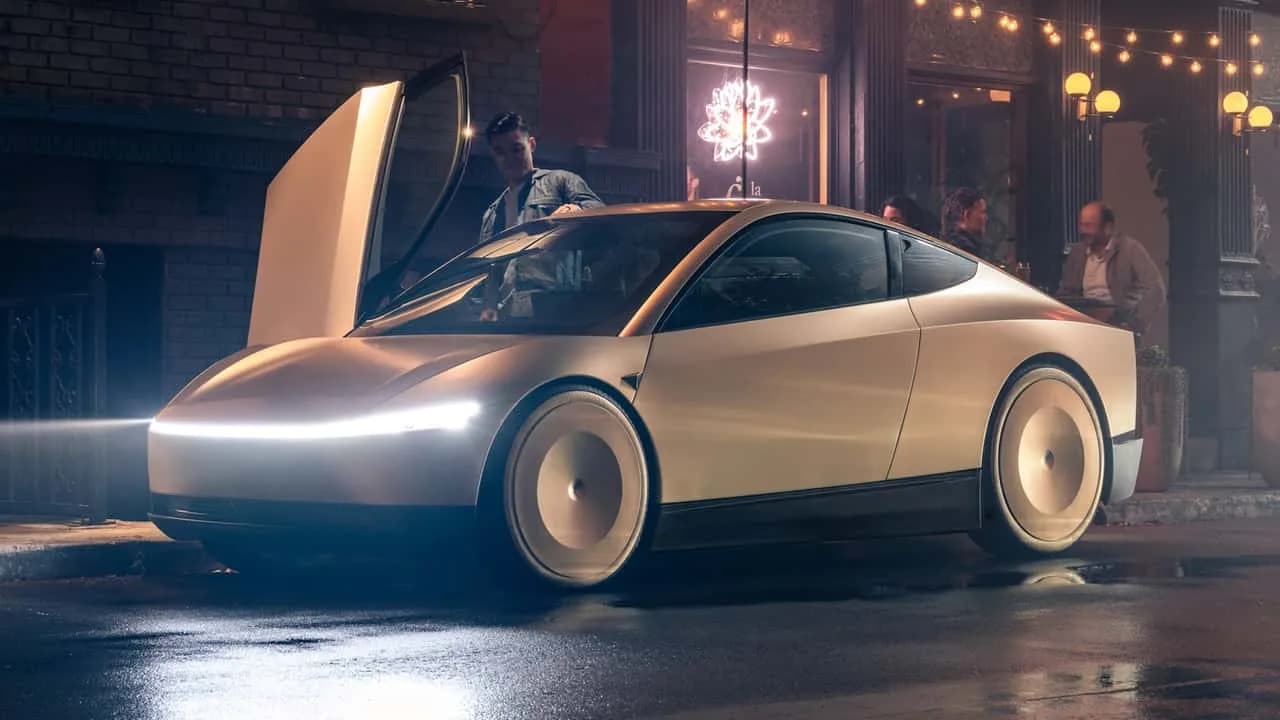
Tesla’s Cybercab is facing a federal regulatory examination just days after beginning limited paid service in Austin. The National Highway Traffic Safety Administration has issued a Special Order requiring Tesla to explain under oath how the steering-wheel-free, pedal-free vehicle was certified under current U.S. safety rules.
The inquiry follows Tesla’s Cybercab launch event in Austin on September 3, 2026. Limited paid rides in selected parts of the city began the next day. NHTSA is now examining how the vehicle cleared federal requirements despite having no steering wheel, pedals, or mirrors.
Why NHTSA is questioning Cybercab
The central issue is Tesla’s use of self-certification. U.S. automakers generally certify their own vehicles as compliant with Federal Motor Vehicle Safety Standards, while NHTSA conducts audits and investigations afterward. The law bars certification when the signer has reason to know the paperwork is false or materially misleading.
NHTSA’s Special Order places Tesla’s responses under oath. If regulators determine the Cybercab’s certification violated those rules, civil penalties could reach roughly $139 million. Depending on the conduct and legal provisions involved, inaccurate or incomplete answers could also create exposure under statutes covering false statements or perjury.
The foot-brake requirement
Federal Motor Vehicle Safety Standard No. 135 requires service brakes to be activated by a foot control. Cybercab does not use traditional pedals, leaving Tesla to explain how its design complies with the wording of the standard currently in force.
NHTSA has issued updates that would allow an automated vehicle to use an actuator or a similar component as the service-brake control instead of a human-operated pedal. Those changes remain proposals, however. The existing rule still contains the foot-control requirement, making Tesla’s interpretation of that language central to the investigation.
Temporary hardware and the Zoox comparison
Regulators are also examining temporary hardware described in Tesla’s first-responder guide, including bolt-on steering wheels for some Cybercab units. The questions could help determine whether such equipment affects the vehicle’s compliance status or certification basis.
Zoox provides a comparison from the emerging robotaxi sector. The Amazon-backed company initially argued that its purpose-built shuttle could meet federal requirements, then obtained a limited exemption from specific standards for defined operating conditions.
Tesla has not disclosed a similar exemption for Cybercab. Its current position therefore depends on self-certification under the rules on the books, rather than relief from specific requirements.
What happens next
NHTSA’s process must now assess Tesla’s sworn explanation and determine whether the Cybercab’s certification aligns with federal regulations. The agency’s order does not establish that Tesla violated the law, and the ultimate financial exposure will depend on which enforcement provisions, if any, regulators pursue.
For Tesla’s robotaxi program, the review adds a legal and operational test to the vehicle’s early Austin rollout. The investigation will help clarify how purpose-built autonomous vehicles can enter service when their controls do not match assumptions embedded in existing safety standards.