By
By 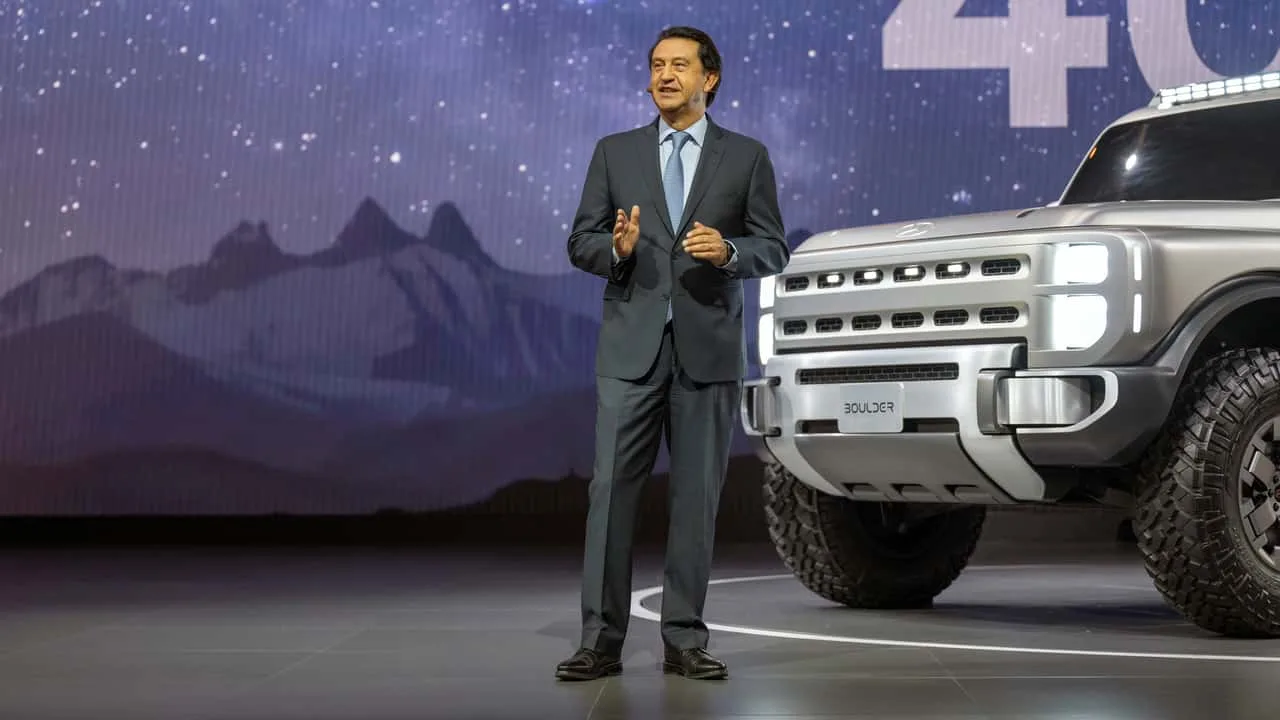
Hyundai CEO Jose Munoz warned that Chinese automakers could erode U.S. vehicle margins if Washington removes tariffs and other market-access protections. Speaking in San Jose, California, on Thursday, Munoz also confirmed that Hyundai Motor Group has pushed the launch of its in-house Level 2++ driver-assistance system from late 2027 to late 2029.
Munoz’s warning draws on his roughly decade-long experience running Nissan’s China operations. He said Chinese brands have already forced major price pressure on European automakers and could create a similar challenge in the United States, although the effect would likely appear “at different levels” depending on the rules governing market access.
Chinese cars are undercutting European rivals
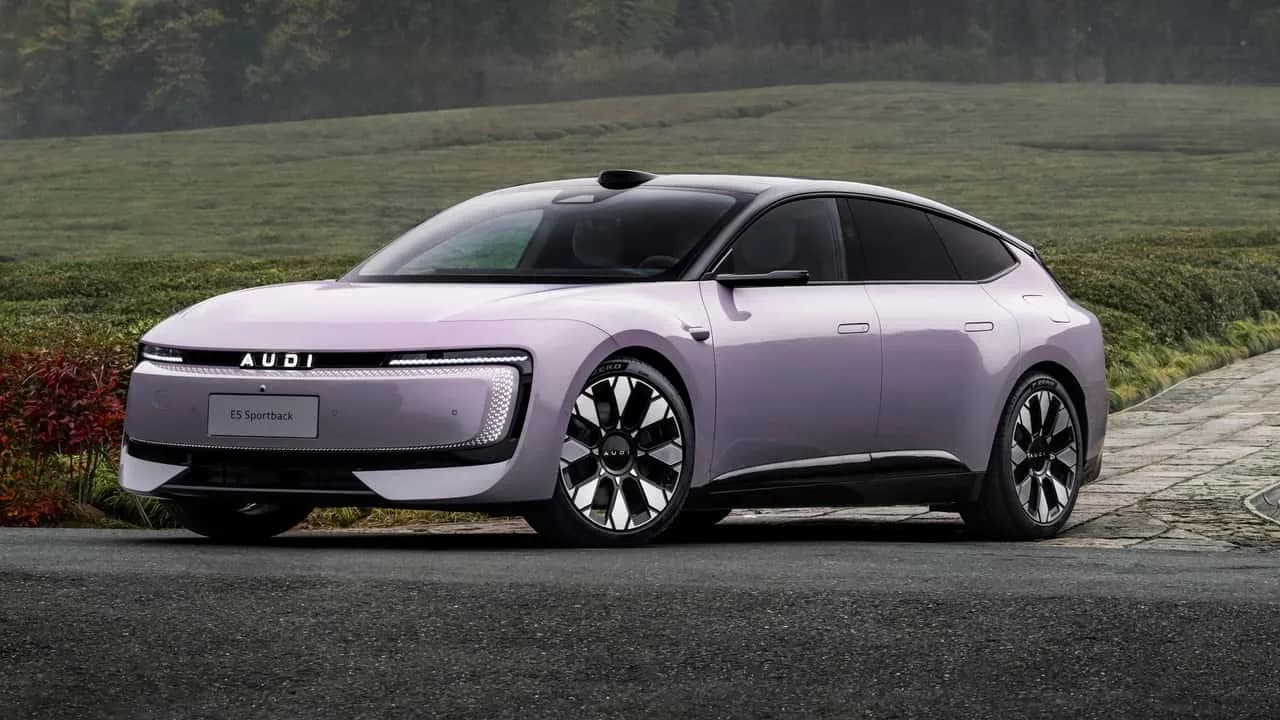
According to Munoz, Chinese vehicles sell for 30% to 40% less than competing models in Italy, Spain and France. That price gap exists even with European Union tariffs and minimum-pricing rules affecting Chinese-built electric vehicles.
The United Kingdom provides a sharper contrast. After leaving the European Union in 2020, it did not adopt Brussels’ tariffs on Chinese vehicles. Munoz said Chinese brands now account for a dominant share of top-selling vehicles there, describing the market as increasingly similar to China.
Sales data shows how quickly Chinese-branded vehicles have gained ground. They represented more than 9% of European Union vehicle sales in the first half of the year, according to the European Automobile Manufacturers’ Association. The Society of Motor Manufacturers and Traders reported that Chinese brands reached 15% of new registrations in the U.K. earlier this year.
Hyundai wants conditions on U.S. market access
Munoz did not call for a complete ban on Chinese automakers. Instead, he said Washington should attach conditions to any future market entry to reduce the impact on established manufacturers, while acknowledging that some competitive pressure would be unavoidable.
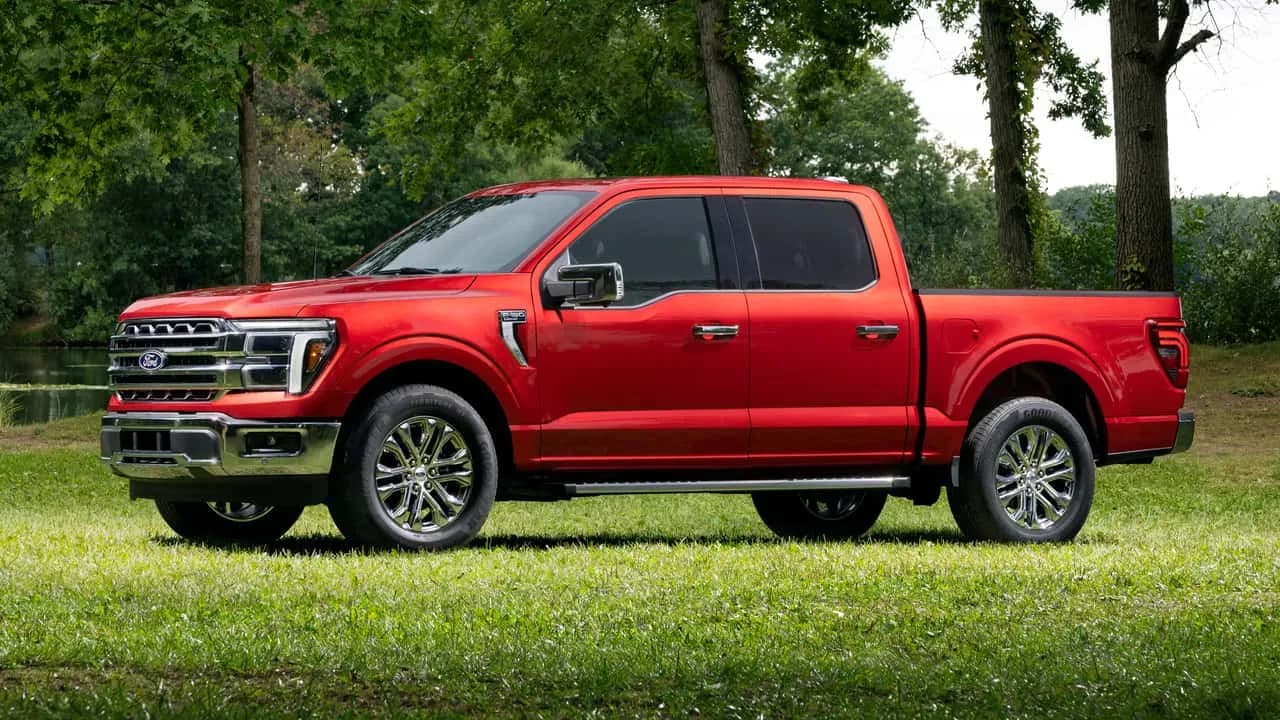
Ford CEO Jim Farley previously told employees that Chinese brands could realistically reach the U.S. within five to 10 years. The concern is broader than finished vehicles: Chinese companies are also gaining influence as suppliers of automotive parts.
For U.S. buyers, the policy debate could determine whether lower-priced Chinese vehicles arrive directly, enter through local production, or remain restricted by tariffs and sourcing requirements. Any rules tied to domestic manufacturing, battery sourcing or safety standards would shape how much of that price advantage reaches showrooms.
Hyundai delays its Level 2++ system
Munoz also said Hyundai needs additional time to collect driving data and complete safety validation for its in-house Level 2++ system. The technology was positioned as comparable to Tesla’s Full Self-Driving software, but Hyundai now plans to launch it in late 2029—two years later than its original late-2027 target.
The delay comes as Hyundai expands its U.S. industrial footprint. The company plans to add 500,000 units of North American production capacity by 2030 and raise domestic parts sourcing above 80%, up from roughly 60% today. Munoz credited current U.S. tariff policy with accelerating that investment and pointed to the Alabama-built Santa Fe as an example of Hyundai’s localization strategy.