By
By 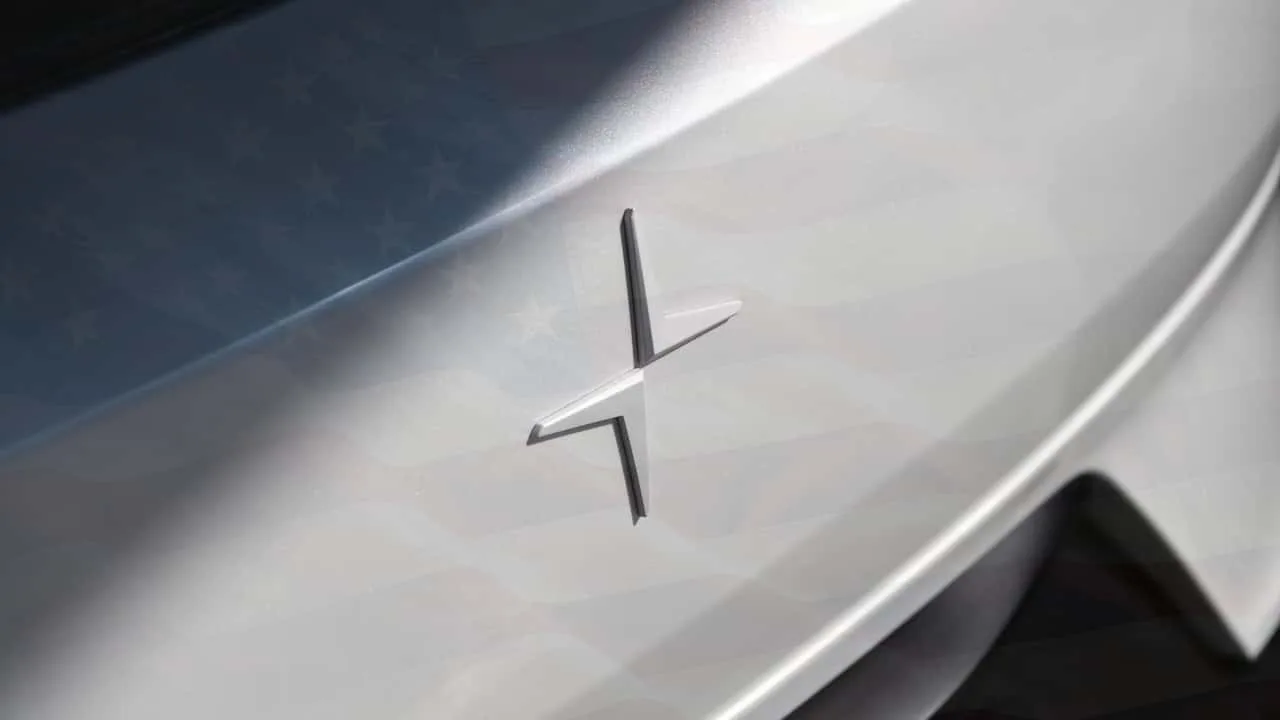
Polestar will stop selling new vehicles in the United States after the 2026 model year, but the automaker is still seeking an explanation for why its application was denied while Volvo received approval under the same Chinese parent company. Dealers can continue selling remaining inventory after Polestar exits the new-car market.
According to documents obtained by the Wall Street Journal, Polestar expected to receive permission to continue selling connected vehicles in the US after more than a year of discussions with the Department of Commerce. The company says the final decision caught it off guard.
Why Polestar was denied approval
Polestar submitted its application to the Commerce Department’s Bureau of Industry and Security in May 2025. The request sought approval to continue selling connected vehicles in the US under the government’s Connected Vehicle Rule, which restricts vehicles and components linked to China and Russia over national-security concerns.
The rule focuses on potential access to sensitive data collected by connected vehicles and the possibility of remotely influencing vehicle systems through software or communications hardware. An automaker’s manufacturing location alone does not determine whether the restrictions apply. The Polestar 3, for example, is built in South Carolina but remains subject to scrutiny because of Polestar’s Chinese ownership and technology connections.
Polestar says it offered cybersecurity reviews, audits and changes intended to stop China-linked entities from managing vehicle data. The company also answered detailed questions from federal officials during the review.
Polestar cites different treatment from Volvo
Polestar says officials told the company’s outside counsel in January 2026 that the agency had enough information and was preparing to recommend approval. In April, a Commerce Department official reportedly said approval would be reasonable to expect if Volvo received authorization under the same ownership structure and with similar hardware and software.
Volvo received approval in May. Polestar’s application was denied the following month. Polestar says the contrasting decisions could represent “disparate treatment,” although the Commerce Department has not publicly explained why the companies received different outcomes.
What the US exit means for owners
Polestar does not plan to appeal the decision. The automaker says its discussions with US officials led it to conclude that an appeal was unlikely to succeed, so it will instead direct investment toward other markets, particularly Europe.
Existing Polestar owners will continue to receive warranty coverage, service, repairs, replacement parts and software updates. The company’s US sales operation will wind down after the 2026 model year, but vehicles already in dealer inventory can still be sold.
The decision affects more than where Polestar vehicles are assembled. It shows how ownership, software and connected-car data can determine whether an automaker is permitted to sell in the US, even when a vehicle is produced domestically. Polestar’s unresolved questions now center on how its technology and data practices differ from Volvo’s in the eyes of federal regulators.