By
By 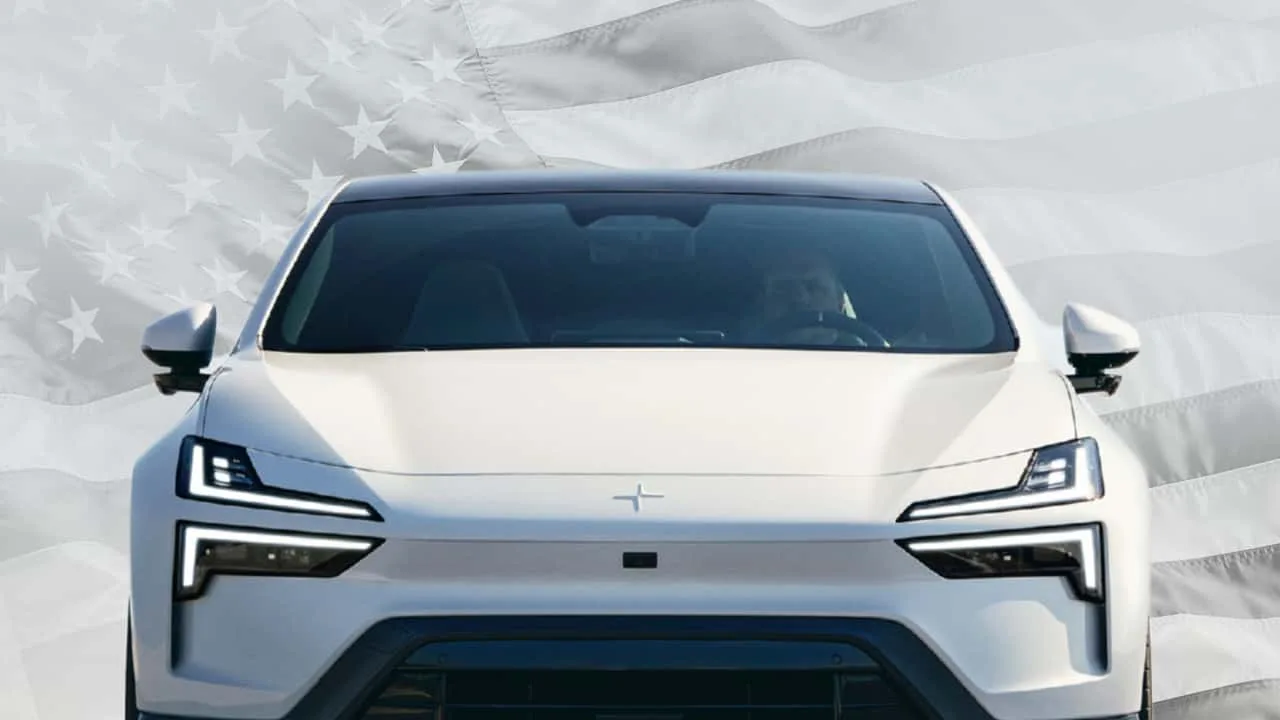
Polestar will not appeal the U.S. government’s decision to block future vehicle sales, effectively ending the Chinese-backed electric automaker’s future in one of the world’s largest auto markets. The company told the Wall Street Journal that it will redirect investment toward markets where it has a stronger brand position and a clearer path to profitable growth, with Europe receiving particular emphasis.
Polestar’s decision follows the Commerce Department’s refusal to grant the company special authorization to continue selling vehicles in the United States. Rather than pursue an appeal or legal challenge, Polestar concluded that its chances of overturning the decision were too low.
Why Polestar is barred from future U.S. sales
The ban is tied to new connected-vehicle security rules that take effect with the 2027 model year. Those regulations prohibit Chinese software in internet-connected vehicles, reflecting U.S. concerns that cameras, GPS systems, and other connected equipment could create national security risks if controlled by foreign adversaries.
Polestar is majority-owned by Zhejiang Geely Holding Group of China. Company spokesman Michael Ofiara told the Wall Street Journal that Polestar had held extensive discussions with U.S. officials before deciding not to appeal.
The outcome differs from that of Volvo, which is also majority-owned by Geely. Volvo received approval earlier in 2026 after showing U.S. officials how it manages vehicle data and cybersecurity. The Commerce Department has not explained why Volvo qualified for authorization while Polestar did not.
Polestar’s current U.S. lineup
The ruling arrives even though Polestar’s U.S. lineup has already moved away from Chinese production. The Polestar 2 left the American market after tariffs on Chinese-built electric vehicles took effect. The Polestar 3 is assembled in South Carolina alongside the Volvo EX90, while the Polestar 4 is built in South Korea.
That production footprint has not been enough to preserve the brand’s access to the U.S. market under the new connected-car rules. Polestar’s decision therefore affects more than future model launches; it also places its existing dealer and owner network in an uncertain position as the company reduces its American presence.
What the exit means for owners
Polestar’s departure could weigh heavily on resale values for existing vehicles, particularly as the company clears remaining inventory. Discounts have reportedly reached as much as $25,000, adding pressure to used-market pricing and potentially making ownership costs harder to predict.
For shoppers, the news means future Polestar models are unlikely to be sold new in the United States once the company’s remaining inventory is gone. Current owners will also be watching how the brand’s reduced market presence affects dealer support, vehicle values, and access to service over time. Polestar’s shift toward Europe marks a significant change in strategy as it attempts to build profitable growth outside the United States.