By
By 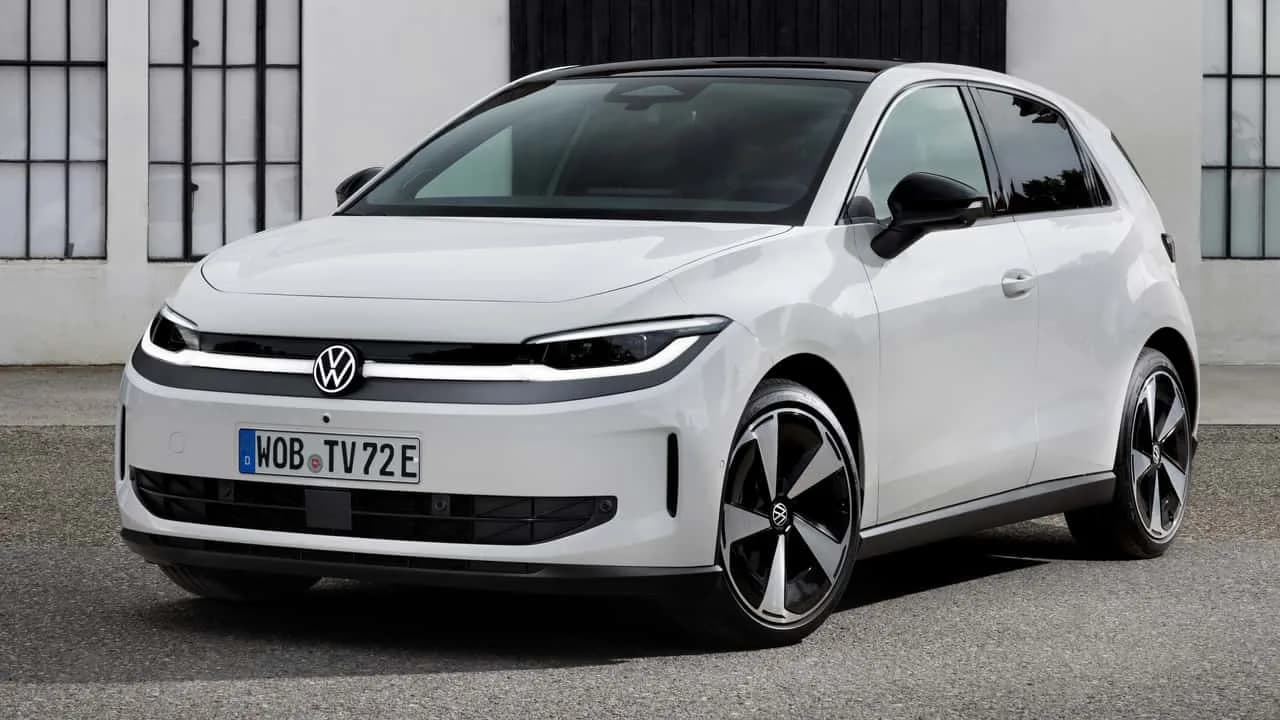
Volkswagen is receiving more orders for fully electric vehicles than combustion-powered cars in Germany, a major shift that is already reshaping its production plans. The stronger EV demand is prompting extra shifts at some plants, while the automaker is canceling planned additional shifts at its Wolfsburg factory because its transition away from gasoline-powered vehicles is moving faster than expected.
The change creates a difficult financial and industrial problem for Volkswagen. Electric vehicles remain less profitable than comparable combustion-engine cars, while factories designed around gasoline and diesel vehicles cannot necessarily stay fully utilized when EVs require fewer mechanical components and generally less assembly labor.
Wolfsburg cuts planned production
According to Automobilwoche, Volkswagen will drop planned extra shifts at Wolfsburg, the 88-year-old plant known as the heart of the VW brand. The factory is now expected to build around 580,000 vehicles this year, rather than exceeding 600,000.
Wolfsburg currently produces the Golf, Tiguan, and Tayron. Volkswagen has already confirmed that Golf production will move to the Puebla plant in Mexico later in 2027, ending production of the iconic hatchback in Germany.
The production adjustment comes as Volkswagen continues a broader restructuring effort that includes reducing capacity and employment in Germany. The company is also redirecting investment toward electric vehicles, leaving its largest plant caught between declining demand for combustion models and an EV lineup that is increasingly built elsewhere.
EV production expands elsewhere
Volkswagen plans at least two extra shifts at Emden to increase output of the midsize ID.7 liftback and wagon. Zwickau is also seeing stronger demand for the ID.3 Neo, the company’s compact rear-wheel-drive-based hatchback.
The strongest performer in Volkswagen’s current electric range is the new ID. Polo. The subcompact hatchback has collected more than 40,000 orders across Europe. Built in Spain, it recently won the Budget category at the German Car of the Year awards, ahead of the Renault Twingo and Clio.
Volkswagen’s smaller and more affordable EVs are arriving as German demand gains momentum. Rising fuel prices are also helping accelerate the move to electric vehicles, after earlier ID models struggled with high prices and limited customer choice.
Why stronger EV demand still hurts margins
More EV orders help Volkswagen lower fleet emissions and reduce the risk of European Union fines, but the sales mix does not automatically improve profits. The company still earns less from an EV than from a comparable gasoline-powered model, making the demand shift especially challenging during a major cost-cutting program.
Volkswagen also faces the cost of downsizing a manufacturing footprint built for combustion vehicles. It cannot simply replace every gasoline car with an EV and expect the same factories to require the same workforce or production capacity.
An even cheaper electric model, provisionally referred to as the ID. up!, is due next year, although its name has not been confirmed. Volkswagen is also expected to build confirmed electric Golf and T-Roc models at Wolfsburg in the next few years. Until those programs arrive, the plant will continue producing gasoline-powered vehicles even as German customers increasingly favor electric alternatives.