By
By 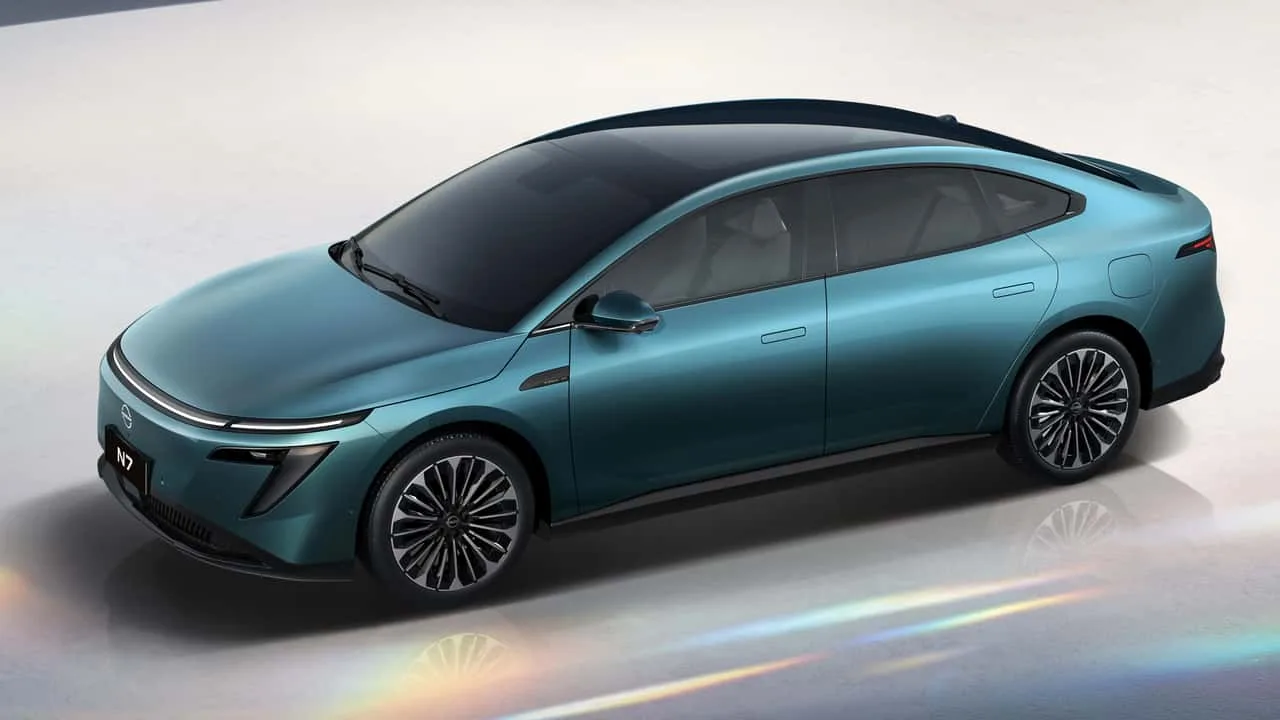
Nissan is preparing for Chinese automakers to begin building vehicles in Mexico within the next two to three years, a move that could bring low-cost Chinese production much closer to the United States. Nissan Americas Chairman Christian Meunier outlined the forecast while speaking at the automaker’s headquarters in Yokohama, Japan.
Meunier said Nissan must reduce costs now because Chinese brands are unlikely to depend on vehicle exports indefinitely. Local production in Mexico would help those companies reduce the impact of tariffs and use the country’s established automotive manufacturing base to reach the broader North American market.
Why Mexico matters
Chinese automakers already operate in Latin America, and Mexico offers both an existing supplier network and geographic proximity to the United States. Nissan believes that combination could make Mexico an attractive location for Chinese factories during the next phase of the competition.
“It will happen probably in the next two to three years, so we need to be ready,” Meunier said, referring to Chinese automakers establishing production in Mexico. He also described cost competitiveness as the defining issue for the industry over the next five years.
That threat is separate from the question of when Chinese brands might sell vehicles directly through U.S. dealerships. Meunier expects that could take at least five years, while the United States continues to maintain significant barriers against Chinese vehicles. Lawmakers have also pursued legislation that would permanently prevent Chinese automakers from selling vehicles in the country.
Nissan’s China-based response
Nissan is using some of China’s production and development advantages in an effort to compete. The company is expanding exports of China-developed and China-built vehicles into Latin America, including the Frontier Pro plug-in hybrid pickup in Mexico and the N7 electric sedan.
Both vehicles are products of Nissan’s partnership with Dongfeng. Nissan has discussed using its Chinese operations as an export hub, with an initial target of around 100,000 vehicles and a longer-term goal of reaching 300,000 annually.
The company has also considered exporting China-built electric vehicles to Canada, where the government has opened the door to a limited number of Chinese-made EVs. That approach represents a shift from developing vehicles in Japan, shipping them overseas and adapting them for individual markets.
Chinese-built vehicles already reach the U.S.
Chinese-built vehicles are already present in the American market through established global brands. Examples cited in the discussion include the Buick Envision, Volvo S90, Polestar 2 and Lincoln Nautilus.
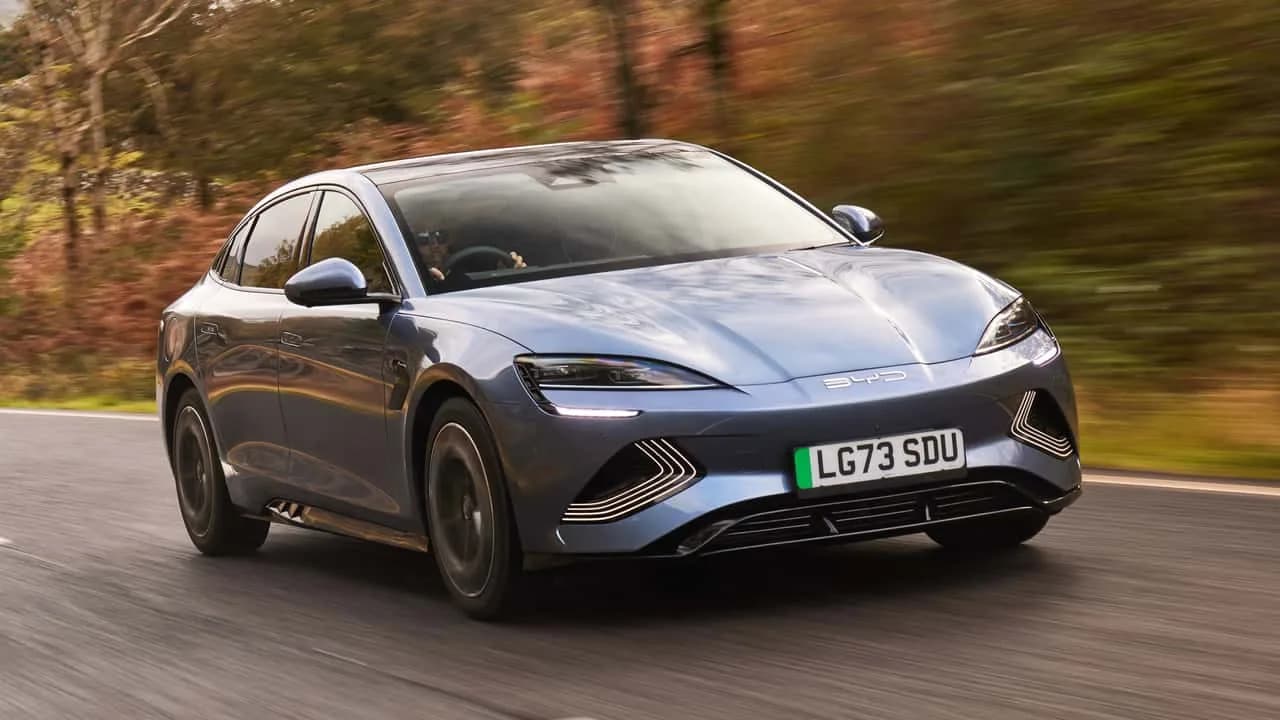
The larger change would come if Chinese companies themselves establish factories south of the U.S. border. Nissan’s concern is that local production could weaken the protective effect of tariffs and allow brands such as BYD to compete more directly on price.
A wider competitive shift
Nissan’s warning reflects a broader change in the auto industry. Japanese and Korean automakers previously expanded their North American manufacturing footprints, while Chinese companies now bring extensive electric-vehicle expertise, aggressive pricing and fast development cycles to the contest.
Chinese brands have already gained ground in Europe. Through August, Chinese automakers held a 10.4 percent share of the European market, according to the source report. Nissan’s response is to cut costs, increase localization and use China-developed products to compete internationally before Chinese production reaches Mexico.