By
By 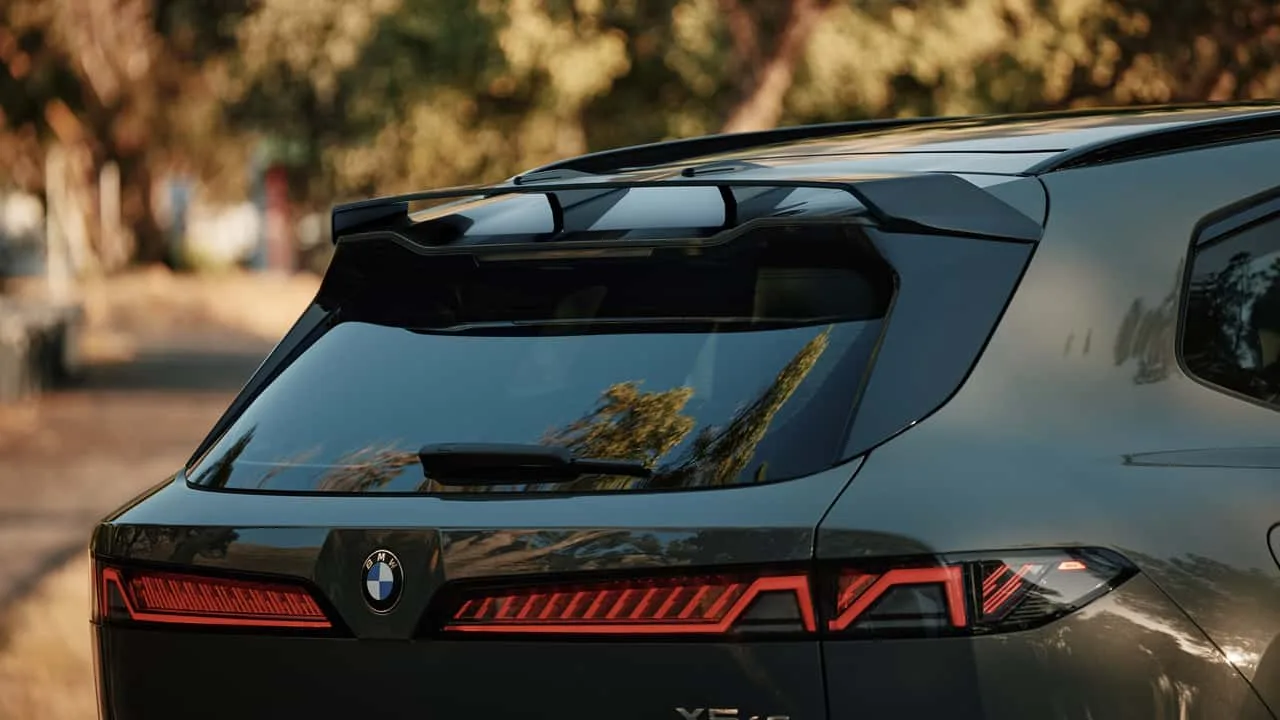
BMW CEO Milan Nedeljković is warning that some Chinese vehicles are being sold in Europe at prices that “make no business sense,” arguing that distorted competition could encourage additional protectionist measures. He stopped short of calling for higher tariffs, instead backing political negotiations between Europe and China to establish fairer market conditions.
In an interview with Frankfurter Allgemeine Zeitung, Nedeljković was asked whether Chinese automakers were dumping cars into the European market. His answer avoided a direct accusation, but he said incomprehensible pricing was creating a dangerous competitive imbalance.
BMW wants fair competition, not isolation
BMW continues to support free trade, according to its CEO, but Nedeljković said competition must take place on terms that do not undermine European industry. He argued that additional tariffs would represent an even greater intervention and preferred voluntary agreements based on fair commercial conditions.
That position reflects BMW’s own global manufacturing footprint. The company builds vehicles in China for export to Europe, including the electric Mini Cooper hatchback and Mini Aceman crossover. A broad tariff escalation could therefore raise costs across the industry rather than affecting only Chinese-owned brands.
Nedeljković also warned that retaliation from China could affect the supply of battery cells, an area in which Europe remains dependent. He said policymakers in Brussels and Berlin should strengthen the competitiveness of European businesses without relying on isolationism.
European tariffs already target China-built EVs
The European Union has already imposed additional duties on battery-electric vehicles built in China following an anti-subsidy investigation. The countervailing duties vary by manufacturer, ranging from 17 to 35.3 percent.
Chinese brands including BYD, SAIC, and Geely have expanded across Europe with vehicles that combine competitive pricing and increasingly advanced technology. That pressure is arriving as European automakers face a rapidly changing electric-vehicle market and rising competition in their own home region.
BMW is also dealing with tougher conditions in China. BMW Group sales, including Mini, fell from a record 847,900 cars in 2021 to 626,000 units in 2025, according to the company’s 2025 annual report.
Made-in-Europe proposal could raise EV prices
The debate extends beyond tariffs. Volkswagen Group, Renault Group, and Stellantis have jointly supported a proposed “Made in Europe” industrial framework that would require 70 percent of a vehicle’s parts to come from the region.
Research cited by Euronews indicates that such rules could add more than €2,000 to the asking price of an electric vehicle. European battery cells are particularly expensive, meaning the cost of reshoring supply chains could ultimately reach consumers.
Nedeljković’s approach would preserve open markets while seeking to prevent pricing practices that European officials and automakers believe may be shaped by subsidies or other forms of state support. Whether Europe and China can agree on what constitutes a fair price remains unresolved, but BMW’s position adds pressure for a negotiated solution rather than a new tariff war.