By
By 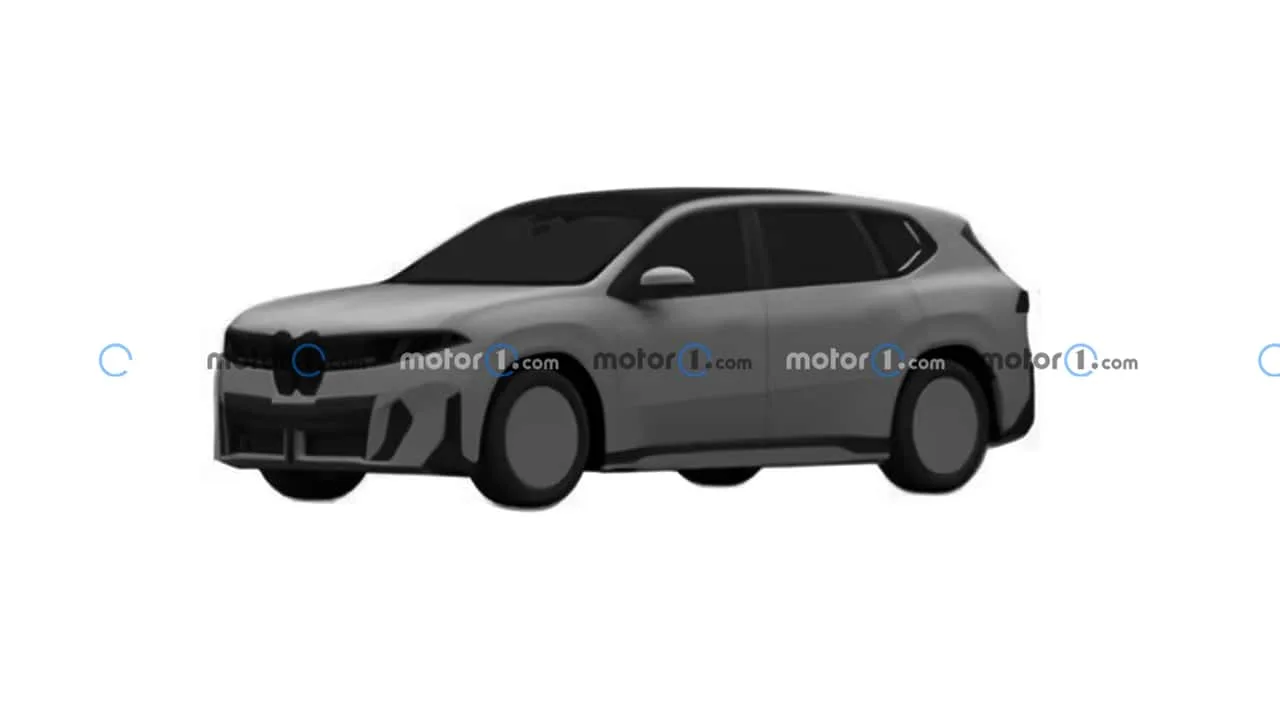
Patent photos have previewed the next-generation BMW iX3 ahead of its planned launch in the second half of 2025. The electric mid-size SUV will be the first production model built on BMW’s Neue Klasse platform, marking a major break from the company’s current approach of sharing architectures and styling between combustion-powered and electric models.
Although it keeps the iX3 name, the new model will be substantially different from the current SUV. The patent images show a fresh exterior design influenced by the BMW Neue Klasse X concept revealed in March, including a smaller, vertically oriented interpretation of BMW’s traditional twin-kidney grille.
Neue Klasse design reaches production
The grille is one of the clearest visual changes. Rather than the large horizontal treatment used by the latest X3, the iX3’s kidneys appear compact and upright, recalling BMW designs from the 1960s and 1970s. The same basic direction appeared on the Neue Klasse X concept.
Elsewhere, the patent images show soft but angular body lines, slim horizontal light clusters at both ends and proportions that remain recognizably BMW SUV. The overall shape is familiar, but the surfacing and lighting give the iX3 a distinct identity rather than simply making it an electric version of the combustion-powered X3.
The filing does not show the cabin. BMW could adapt the general layout previewed by the Neue Klasse X, although the production interior is expected to be less overtly conceptual than the show vehicle.
800-volt electric platform
Under the skin, the iX3 will introduce the Neue Klasse architecture that BMW plans to use across its future battery-electric lineup. That ends the brand’s long-running “Power of Choice” strategy for this model line, in which gasoline, plug-in hybrid and electric vehicles share designs and core platforms.
The new battery system will use cylindrical cells instead of the prismatic cells found in the current electric models. BMW is expected to source those cells from suppliers including CATL, Eve and Envision AESC, while the battery’s specific chemistry has not been disclosed.
An 800-volt electrical system is confirmed for the platform’s technology package. That higher-voltage architecture should support the charging and efficiency improvements BMW is targeting, although the source material does not provide a charging-time figure.
Range and drivetrain expectations
The new BMW iX3 is expected to offer roughly 30 percent more range than current BMW electric models. That would put the total above 372 miles using the WLTP testing cycle, according to the available forecast.
Drive configurations are expected to include rear-wheel drive and all-wheel drive. All-wheel-drive versions would use one electric motor on each axle, while the exact motor outputs, battery capacities and trim structure remain unknown.
With the iX3 due in the second half of 2025, BMW’s first Neue Klasse SUV will establish the design and technical formula for the company’s next generation of electric vehicles.