By
By 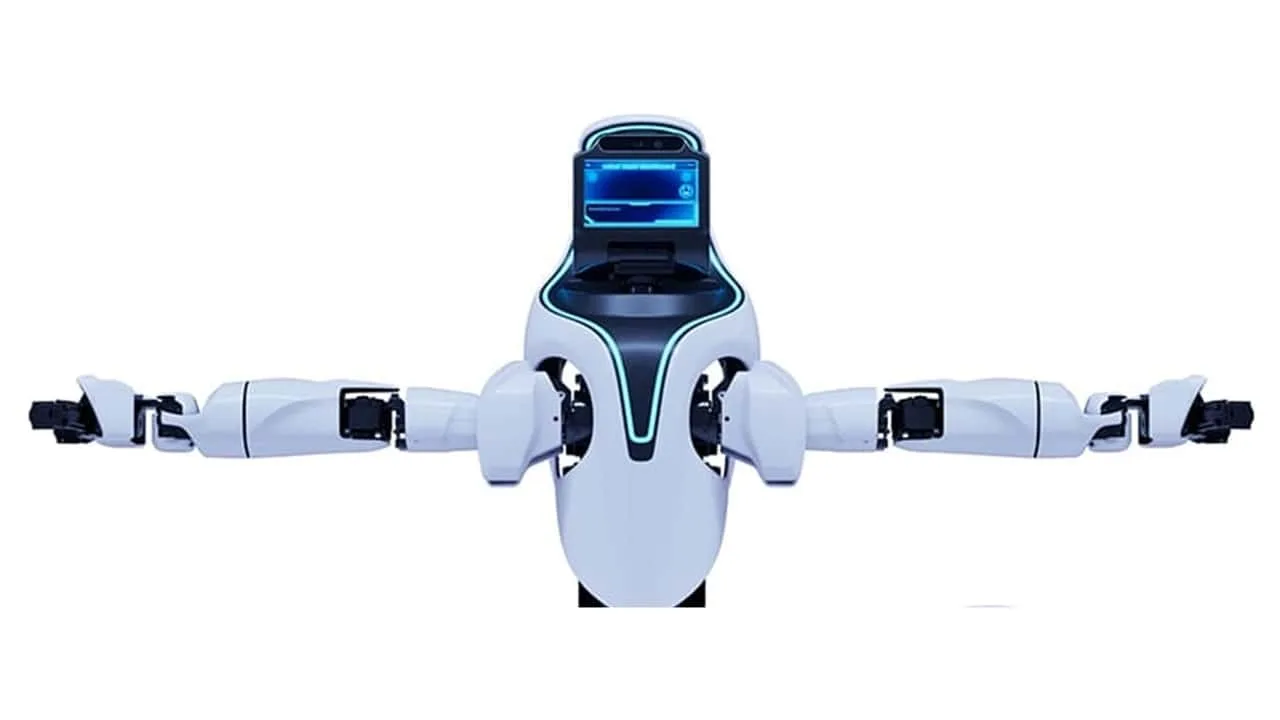
Toyota is weighing a major factory-automation program that could deploy roughly 400,000 robots across its manufacturing network and key suppliers. The automaker told investors that the effort could require about 1 trillion yen, or approximately $6.4 billion, annually beginning in 2028, although Toyota has not committed to spending at that level.
The figures emerged during a technology briefing at Toyota Motor Europe’s headquarters in Brussels. The projected robot total includes Toyota and Toyota Group plants as well as supplier and partner facilities, with roughly 150,000 machines allocated to Toyota and group sites and about 250,000 intended for suppliers and other partners.
What Toyota’s robot plan includes
According to Nikkei, Toyota’s estimate covers both humanoid and conventional industrial robots. It includes replacements for aging equipment as well as entirely new installations, meaning the 400,000-machine figure is not limited to humanoid robots.
Toyota has not specified how long a full deployment would take. Any large-scale installation would be coordinated with factory renovations and rebuilding projects around the world rather than implemented as a single, immediate rollout.
The plan also reflects Toyota’s wider manufacturing challenge. The company has been working to reduce production complexity, including efforts to cut the number of parts used across its vehicle lineup. More flexible automation could help factories build a wider range of variants while reducing the time required to change between models.
ELEY and Toyota’s takumi workforce
Humanoid machines are one part of Toyota’s research. Toyota Research Institute demonstrated ELEY, a wheeled humanoid robot platform whose name stands for Embodied Learning robot for Enhanced Yield. The system uses Large Behavior Models to learn tasks from a small number of human demonstrations, including tasks based on the skills of Toyota’s experienced takumi workers.
Toyota describes those employees as master craftspeople whose production knowledge and judgment have been developed over decades. Rather than removing people from the process, the company says robots would handle repetitive or physically demanding work while takumi workers continue making decisions that require experience and a trained eye.
What the automation could mean for production
For vehicle buyers, the initial effect would likely be improved consistency rather than an immediate change in pricing. Toyota’s stated goal is to use automation and its existing quality-control systems to maintain uniform production standards across factories and vehicle grades.
The approach could also support Toyota’s expanding hybrid manufacturing activity in the United States and elsewhere. Additional automation may allow plants to reserve human attention and production capacity for more complex or lower-volume work.
For now, the 400,000-robot figure remains an internal projection, not a finalized investment commitment. Toyota’s emphasis on robots working alongside skilled employees suggests a manufacturing strategy built around combining machine repeatability with human judgment.