By
By 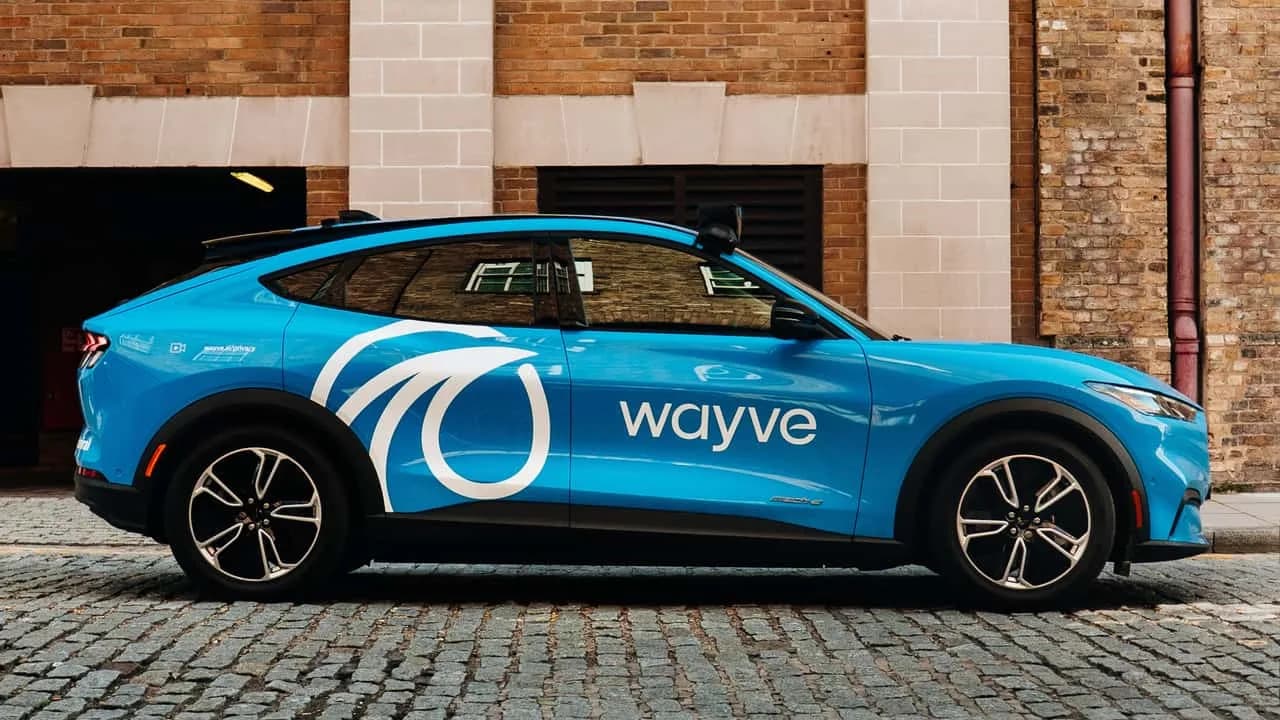
Mercedes-Benz will bring Wayve’s AI Driver software to future production vehicles after signing a production agreement with the British artificial intelligence company on September 22, 2026. The system is intended to provide point-to-point driving assistance on city streets and highways, with integration into Mercedes models planned within the next two years.
Mercedes-Benz and Wayve have not named the first vehicle, launch market or customer-car introduction date. The automaker also has not disclosed the formal automation level planned for the production system, so the agreement does not yet identify a specific feature that buyers can order.
How Wayve’s AI Driver works
Wayve’s approach is designed to reduce the need for the dense high-definition maps used by many automated-driving systems. Its AI Driver is trained as an end-to-end system that interprets its surroundings and makes driving decisions in real time.
According to Wayve, that approach allows the software to adapt to new cities without geofencing or building separate maps for each location. The planned Mercedes application covers assistance from point to point across both urban roads and highways, although the announcement does not describe the hardware package, operating conditions or driver-monitoring requirements for production vehicles.
The agreement extends a multi-year technical partnership between Mercedes-Benz and Wayve. Mercedes also participated in Wayve’s Series D funding round earlier in 2026, alongside Nissan and Stellantis, technology companies and financial investors.
Where it fits in Mercedes driver assistance
The Wayve partnership adds another layer to Mercedes-Benz’s existing driver-assistance strategy. The brand introduced Distronic radar-based cruise control in the 1990s and became the first automaker to sell a Level 3 system in the United States with Drive Pilot in 2023.
Wayve’s AI Driver is described differently from Drive Pilot. The announced system is point-to-point driver assistance, not a self-driving product, meaning the person behind the wheel remains responsible for the vehicle. Mercedes previously demonstrated MB.Drive Assist Pro, which uses Nvidia hardware, but that system has not yet reached production.
Mercedes-Benz production timing and rivals
Wayve’s software is not exclusive to Mercedes-Benz. The company also has definitive agreements with Nissan and Stellantis to integrate its driving software into their production platforms. Nissan plans to bring Wayve-powered ProPILOT to market starting in 2027, according to the announcement.
For Mercedes shoppers, the immediate takeaway is that the technology remains a future program rather than a feature currently available on a named model. Buyers will need to wait for Mercedes-Benz to identify the vehicle, market, launch timing and approved operating scope before they can compare the system with driver-assistance technology already reaching production cars.