By
By 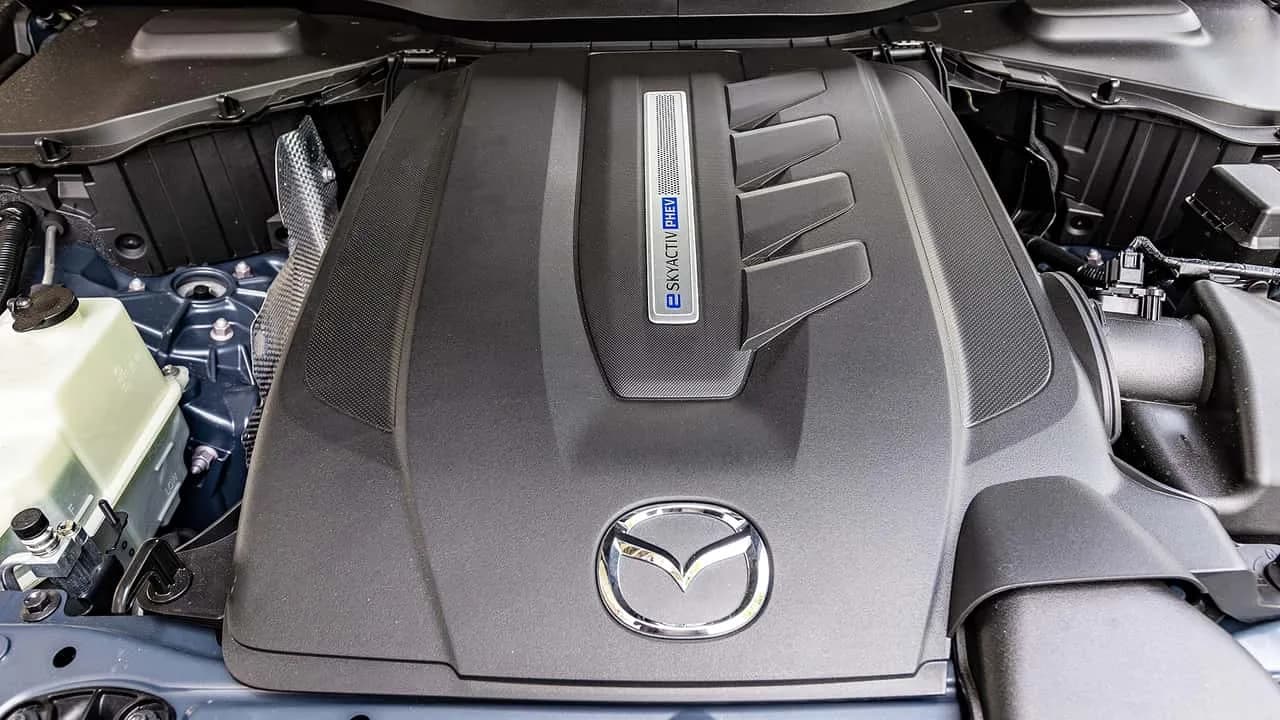
Mazda plans to keep investing in gasoline and diesel engines as it expands electrification, arguing that different markets and customers need different powertrain solutions. The centerpiece of that strategy is the new Skyactiv-Z engine, a 2.5-liter naturally aspirated four-cylinder set to debut in the CX-5 in late 2027 with Mazda’s first in-house hybrid system.
In an interview with Car Magazine, Mazda Europe Project Manager for Product Planning and Co-Creation Moritz Oswald described the company’s position as being a “rebel with a cause.” The automaker’s goal is not to reject EVs, but to avoid treating battery power as the only answer for every market.
Mazda’s multi-solution powertrain strategy
Mazda believes combustion engines remain highly relevant globally, particularly in markets such as the United States and Japan, where EV adoption is lower than in Europe. The company therefore intends to match the powertrain to the customer rather than impose a single technology across its lineup.
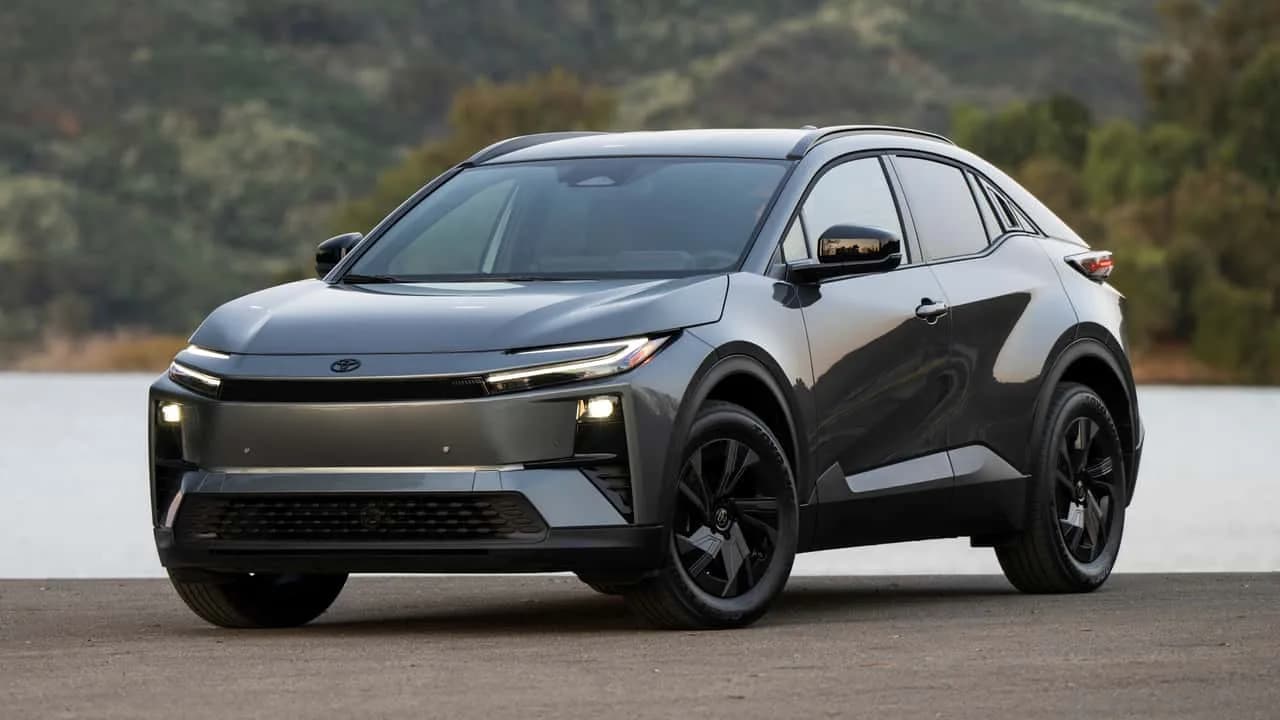
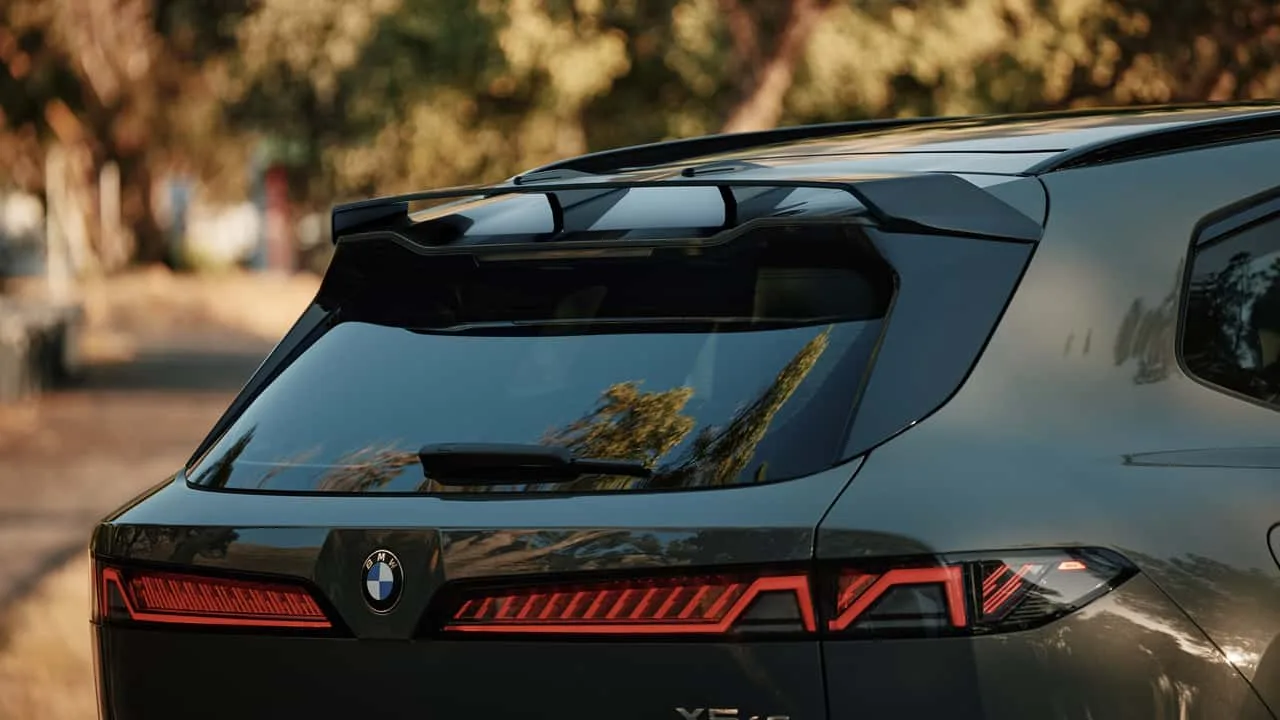
That approach puts Mazda closer to automakers such as BMW and Toyota, which have also kept multiple powertrain paths open. Mazda’s strategy includes hybrid technology, battery-electric vehicles and continued development of combustion engines, with electrification used to improve efficiency rather than replace gasoline power immediately.
Oswald also acknowledged the risk of falling behind competitors while pursuing a different path. Mazda’s challenge will be maintaining pace with the broader industry while continuing to develop technology that fits its own priorities.
What the Skyactiv-Z engine brings
The Skyactiv-Z is Mazda’s clearest argument for keeping combustion technology in its toolbox. The 2.5-liter naturally aspirated four-cylinder will replace the Skyactiv-G and Skyactiv-X engines and is expected to offer higher thermal efficiency and a wider operating range than both.
Mazda says the engine will meet tougher emissions standards without sacrificing power. Its debut in the CX-5 will also mark the arrival of Mazda’s first in-house hybrid system. The company plans to apply lessons from Skyactiv-Z development to its larger inline-six engines and rotary technology.
Whether Skyactiv-Z will eventually power the MX-5 Miata remains unclear, although Mazda has confirmed that a new MX-5 is coming. The automaker has also continued its push into EVs through the Changan Mazda joint venture, which produces the 6e liftback and CX-6e.
What Mazda’s strategy means for buyers
Mazda’s plan points to a broader transition rather than a quick switch from engines to batteries. Buyers in regions with limited charging infrastructure or slower EV adoption may continue to see gasoline and hybrid options, while Mazda builds out its electric range.
The Skyactiv-Z will provide the first major test of that approach when it reaches the CX-5 in late 2027. It also gives Mazda a newer combustion platform instead of simply extending existing engines indefinitely, while preserving room for hybrids, EVs and future rotary applications.