By
By 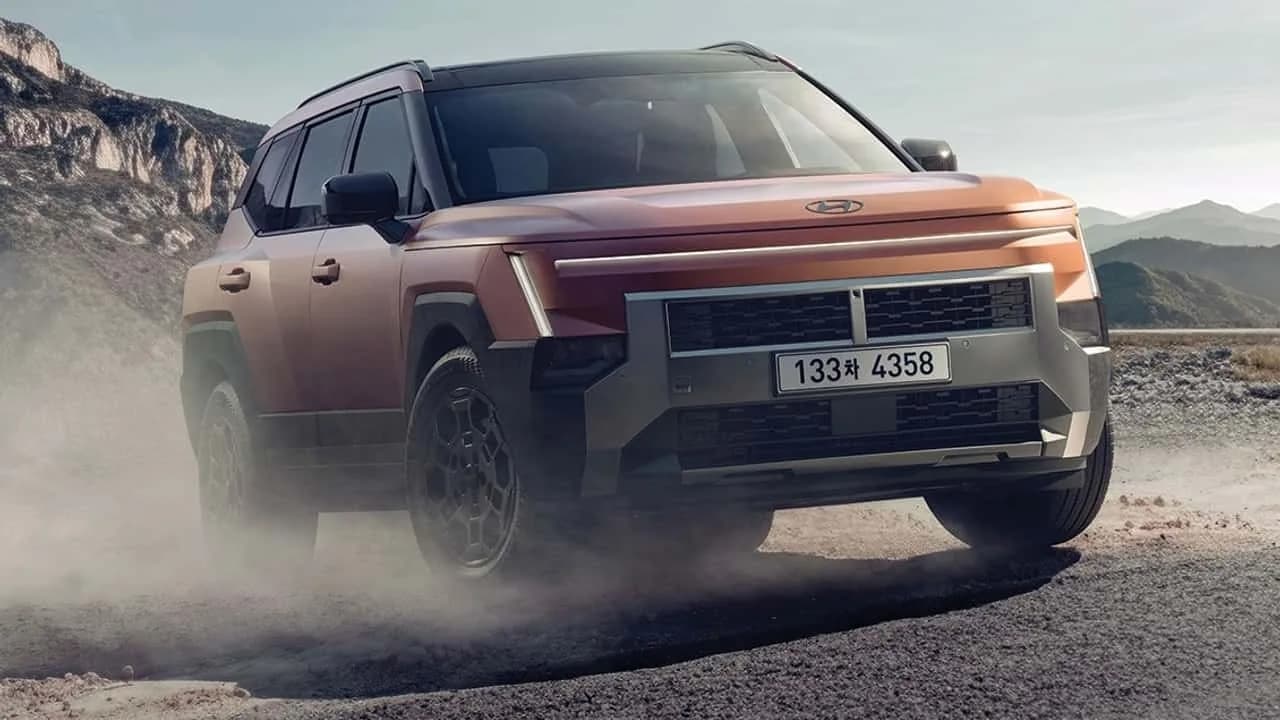
Hyundai has fully revealed the 2027 Tucson XRT, adding rugged styling, exclusive interior details and standard HTRAC all-wheel drive to the fifth-generation compact crossover. The XRT is scheduled to go on sale in Korea next month, with pricing due to be announced in October.
Rather than turning the Tucson into a dedicated off-road machine, Hyundai is positioning the XRT as a more adventurous-looking trim. It builds on the regular Tucson's complete redesign with tougher visual details intended to give the crossover a more substantial, trail-ready appearance.
2027 Hyundai Tucson XRT exterior design
The XRT's most noticeable change is its front-end treatment. A split rectangular grille gives the crossover a more imposing face than the standard Tucson, while a chunky skid plate reinforces the off-road-inspired theme. Black wheel-arch cladding adds visual width, and the black wheels replace the Hyundai logo with XRT lettering.
Hyundai also worked additional detail into the dark exterior trim. The cladding features a pattern inspired by forged carbon instead of using a completely plain finish. At the rear, the XRT gets another unique bumper and skid plate, plus an XRT badge and an HTRAC emblem confirming that all-wheel drive is standard.
Interior updates and everyday practicality
The cabin receives a smaller set of changes aimed at matching the exterior. Exclusive patterned seats and dark-metal trim give the interior a darker appearance, while protective floor mats cover both rows. The equipment suggests Hyundai expects some owners to use the XRT for outdoor activities, even though the trim is not presented as a hardcore rock-crawling model.
The XRT also benefits from the broader changes introduced with the redesigned Tucson. The new crossover is 60 millimeters (2.4 inches) longer and 40 mm (1.6 in) wider, while its wheelbase grows by 30 mm (1.2 in). Rear-seat headroom increases by 29 mm (1.1 in), and the rear-door opening expands from 73 to 83 degrees.
Efficiency, comfort and availability
Despite its boxier design, the new Tucson is Hyundai's most aerodynamically efficient to date. Its drag coefficient falls from 0.33 to 0.30, aided by active air flaps, aero-optimized wheels, a reshaped roof spoiler, additional sealing material and a new rear underbody spoiler.
Hyundai also added more dashboard noise insulation and thicker front-door glass to reduce engine and wind noise. Revised engine and transmission mounts are intended to limit vibration, while updated suspension tuning reduces unnecessary body movement.
Gas and hybrid powertrains have already been announced for the new Tucson, although the XRT announcement does not provide additional output or performance figures. Korea will receive the redesigned Tucson first, with the XRT's pricing expected in October. Hyundai has not provided further availability details in the announcement.